Staging An Allouez Character Home Without Losing Its Charm
May 21, 2026
May 21, 2026
Wondering how to make your Allouez character home feel fresh to buyers without stripping away the very details that make it special? You are not alone. Many sellers want a cleaner, more market-ready look, but they also know original trim, built-ins, porches, and older room layouts are part of the home’s appeal. The good news is that staging does not have to mean erasing history. With the right approach, you can help buyers see both the charm and the livability. Let’s dive in.
Allouez has a housing stock that naturally shapes how homes should be presented. According to the village’s housing report, the community is 97% developed, and detached single-family homes make up 79.5% of the housing stock. The same report shows that 55.6% of homes were built from 1950 through 1979, and 74.3% were built in 1979 or earlier.
That matters because many homes in Allouez still feature original woodwork, porches, fireplaces, built-ins, and room sizes that feel different from newer construction. In a market with a 79.7% owner-occupancy rate, many properties have also been long held and carefully lived in over time. When you stage one of these homes, the goal is usually not to make it look brand new. The goal is to help buyers appreciate the home’s character while seeing how it works for everyday life.
One of the biggest staging mistakes in an older home is covering up the features buyers came to see. Preservation guidance from the National Park Service says historic character, distinctive materials, and craftsmanship should be retained and preserved. In practical terms, that means your staging should support the architecture, not compete with it.
If your home has original trim, stair details, built-ins, mantel surrounds, or older window casings, keep those elements easy to see in person and in photos. Avoid oversized furniture, heavy drapes, or too many accessories that block the room’s best details. Buyers should be able to notice the craftsmanship quickly.
Windows deserve special attention. The National Park Service notes that windows are central to a historic building’s character and should be repaired before replacement when feasible. For staging, that means keeping windows clean, simple, and uncovered enough to let light in and show their shape and trim.
The best way to stage a character home is to edit, not erase. You are not trying to turn an older Allouez home into a generic showroom. You are creating a calm, clean setting that helps buyers picture themselves living there.
That usually means simplifying each room. Use fewer accessories, improve furniture scale, and create cleaner sightlines. A quieter wall and textile palette can make original woodwork, floors, fireplaces, and trim stand out in a way that feels intentional instead of busy.
This approach also aligns with what staging research shows. In the 2025 Profile of Home Staging, 83% of buyers’ agents said staging made it easier for buyers to visualize a property as their future home. The same report found that 49% of sellers’ agents said staging reduced time on market, and 29% said staging led to a 1% to 10% increase in the dollar value offered.
You do not have to stage every inch of the house at the same level. Staging research points to a few rooms that matter most to buyer perception. The most commonly staged rooms are the living room, primary bedroom, dining room, and kitchen.
For many Allouez homes, those spaces are also where character shows up most clearly. That is good news, because thoughtful staging in these rooms can help buyers connect with both the style and function of the home.
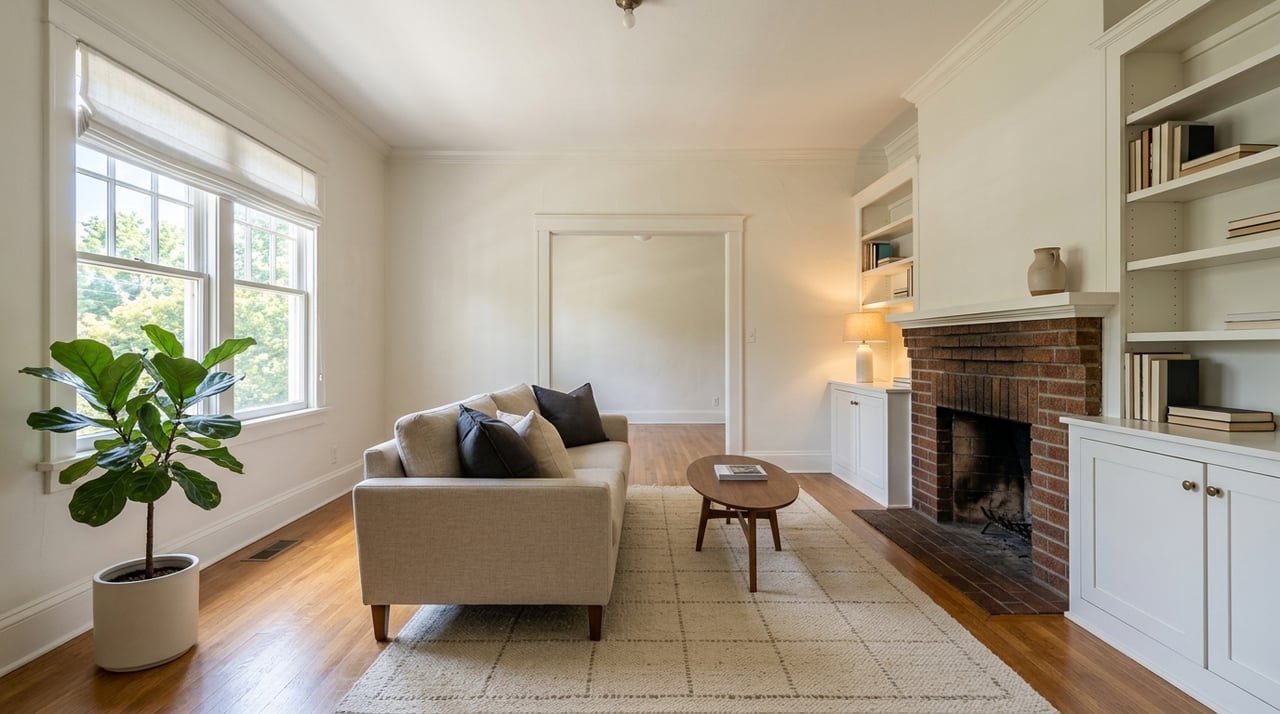
The living room often carries some of the home’s strongest character details. That may include a fireplace, original millwork, built-in shelves, or large front windows. Your job is to arrange the room so those elements stay visible.
Use furniture that fits the room instead of filling every wall. Leave enough open space for buyers to understand traffic flow. If the home has a fireplace or built-ins, let those act as the visual anchor rather than competing with them through bold decor.
A primary bedroom should feel restful and easy to understand. In an older home, the room may be smaller or shaped differently than buyers expect. Good staging can help the space feel more functional without pretending it is something it is not.
Keep bedding simple and tailored. Remove extra furniture if the room feels tight. If there is attractive trim, flooring, or natural light, keep those features visible and avoid crowding the walls with decor.
Dining rooms in character homes can be beautiful, but they can also feel formal or underused if not staged well. A simple, scaled table setup can show purpose without making the room feel stiff. Keep the tabletop light and uncluttered.
If the room has original built-ins, a niche, or distinctive trim, use staging to frame those features. You want buyers to understand that the room can host everyday meals, holidays, or flexible use while still honoring the home’s style.
You do not need a full remodel to make an older kitchen show well. For staging, cleanliness, light, and restraint matter more than chasing every trend. Clear counters, reduce small appliances, and keep decorative items minimal.
If the kitchen includes original cabinets, older trim, or vintage details, treat those features as part of the story. The goal is to present the room as cared for and functional. A kitchen that feels tidy and intentional will usually read better than one that feels over-styled.
Neutral staging does not mean lifeless staging. In a character home, a softer palette helps buyers focus on the permanent features of the property instead of temporary design choices. This is especially useful around wood trim, plaster walls, built-ins, and older flooring.
Choose textiles and decor that feel clean and understated. Think simple bedding, light window treatments, and a few pieces of art that do not dominate the room. The home should feel bright and welcoming, but still true to its age and materials.
That balance matters in older homes because period details often provide more visual texture on their own. When the decor is too busy, buyers may miss the craftsmanship right in front of them.
It can be tempting to make quick changes before going on the market, but not every update helps. Preservation guidance notes that distinctive materials and craftsmanship should be repaired rather than replaced when possible. The Wisconsin Historical Society also notes that historic houses commonly have painted finishes on wood trim, plaster, cabinets, and early floors, and that painting previously unpainted masonry can compromise the original design.
That means sellers should pause before making cosmetic changes that permanently alter the home’s look. For example, covering original features or changing surfaces just to follow a trend may work against the home’s strongest selling points. In many cases, careful cleaning, repair, and lighter staging will do more for presentation than unnecessary replacement.
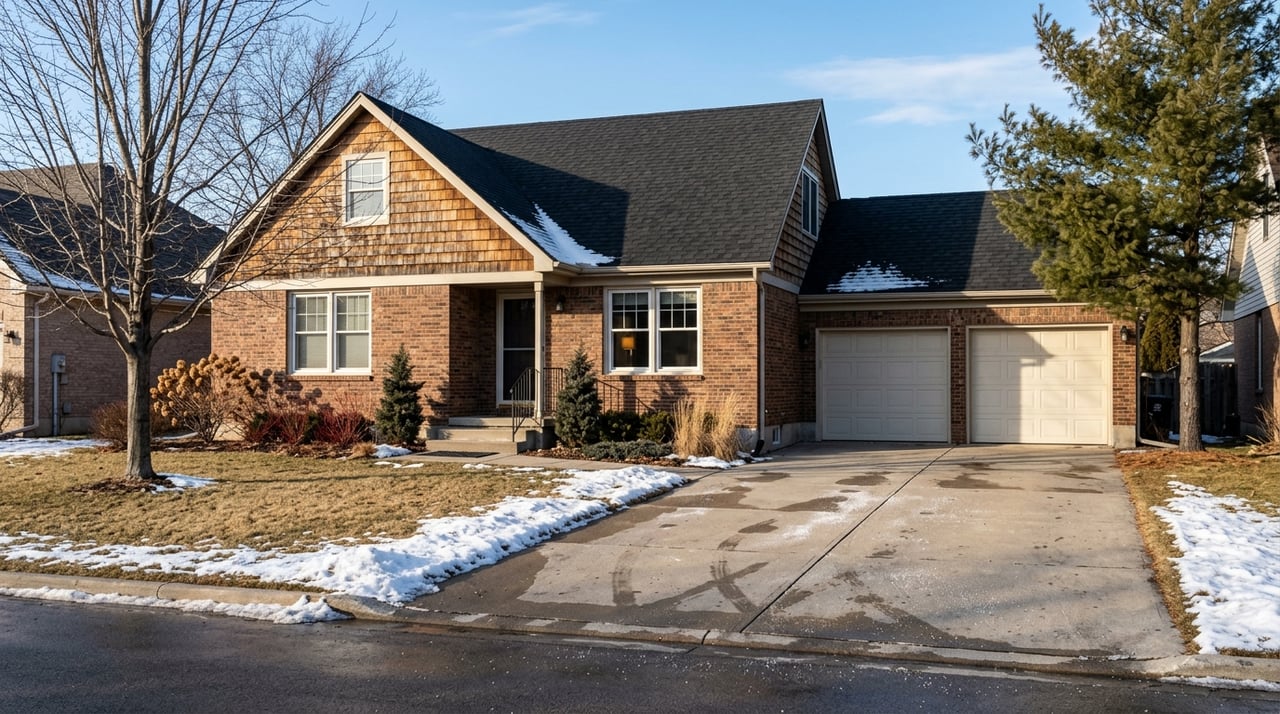
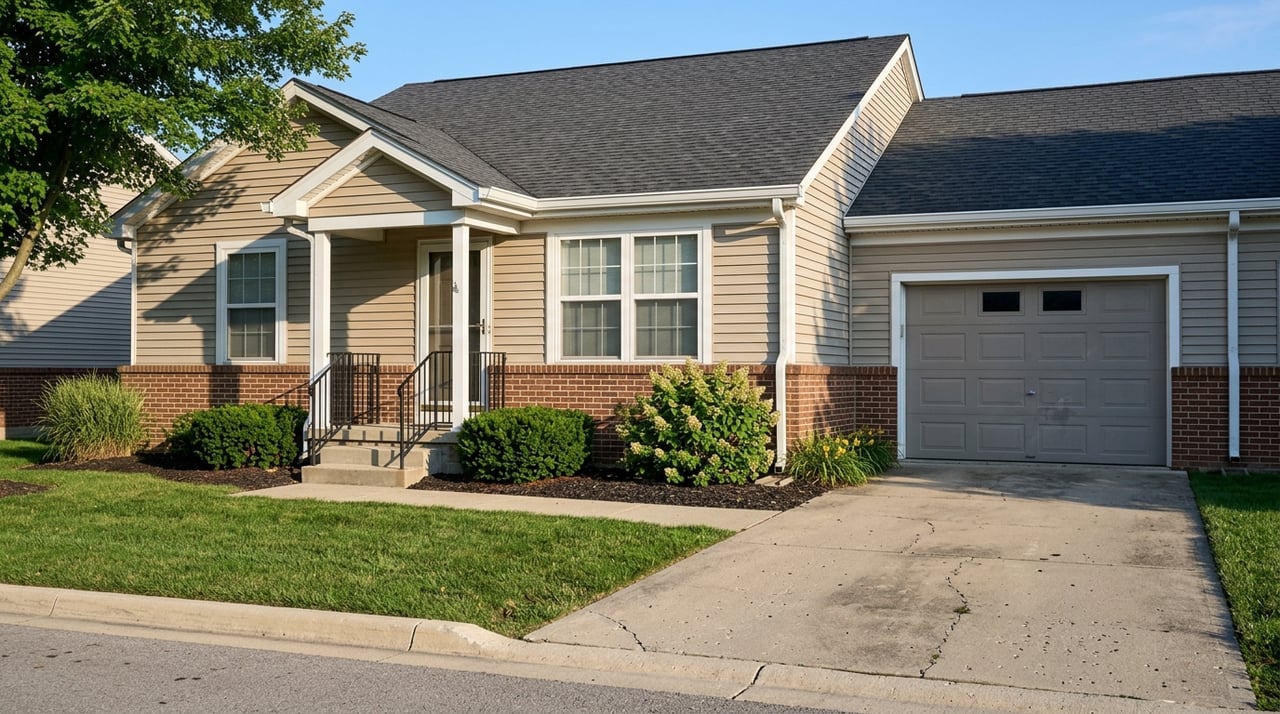
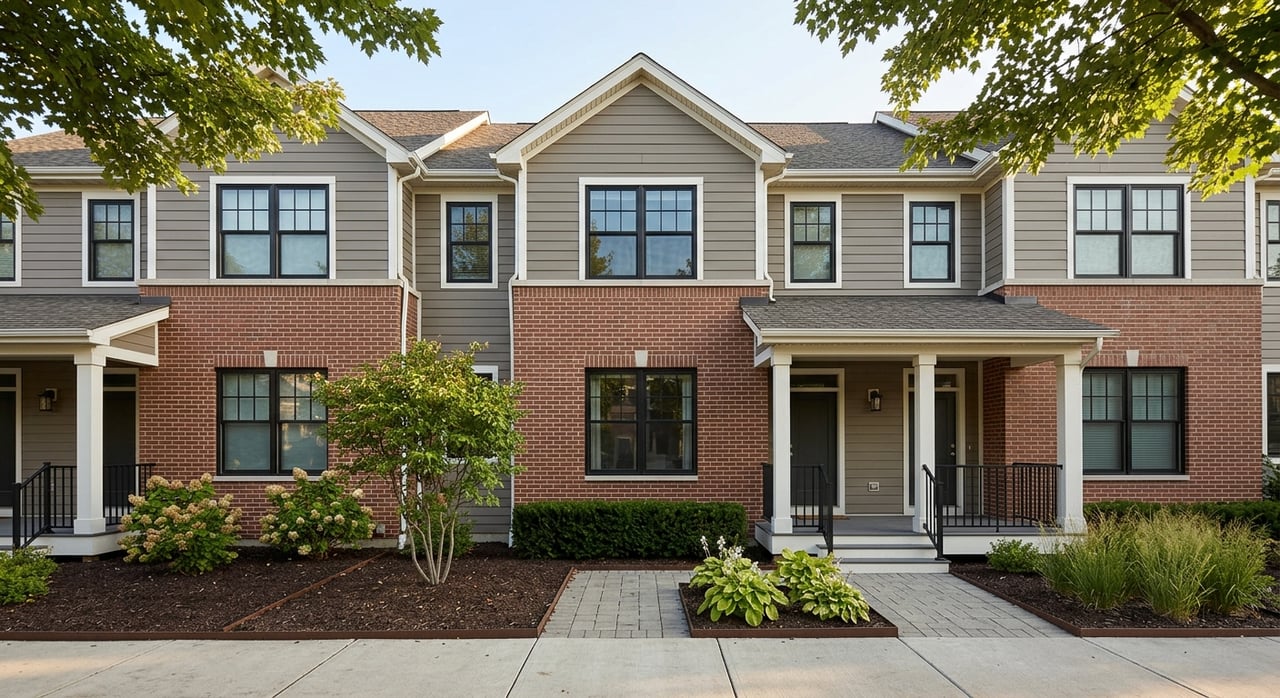
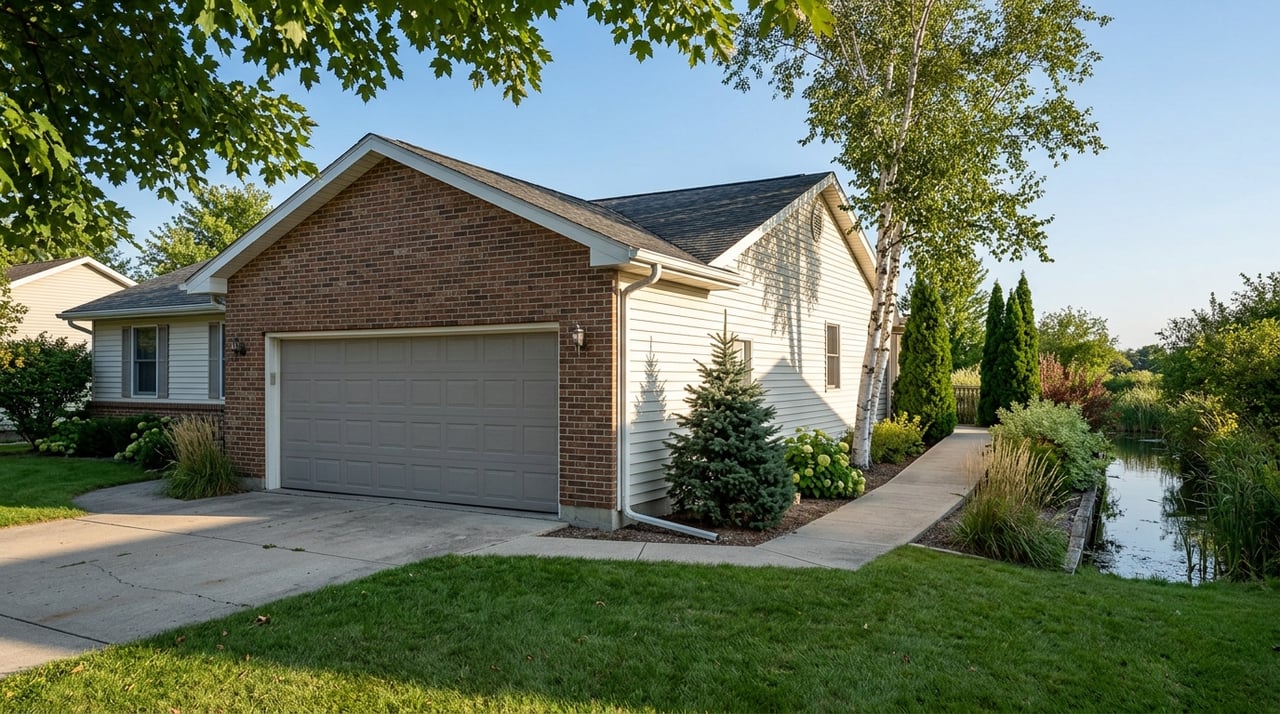
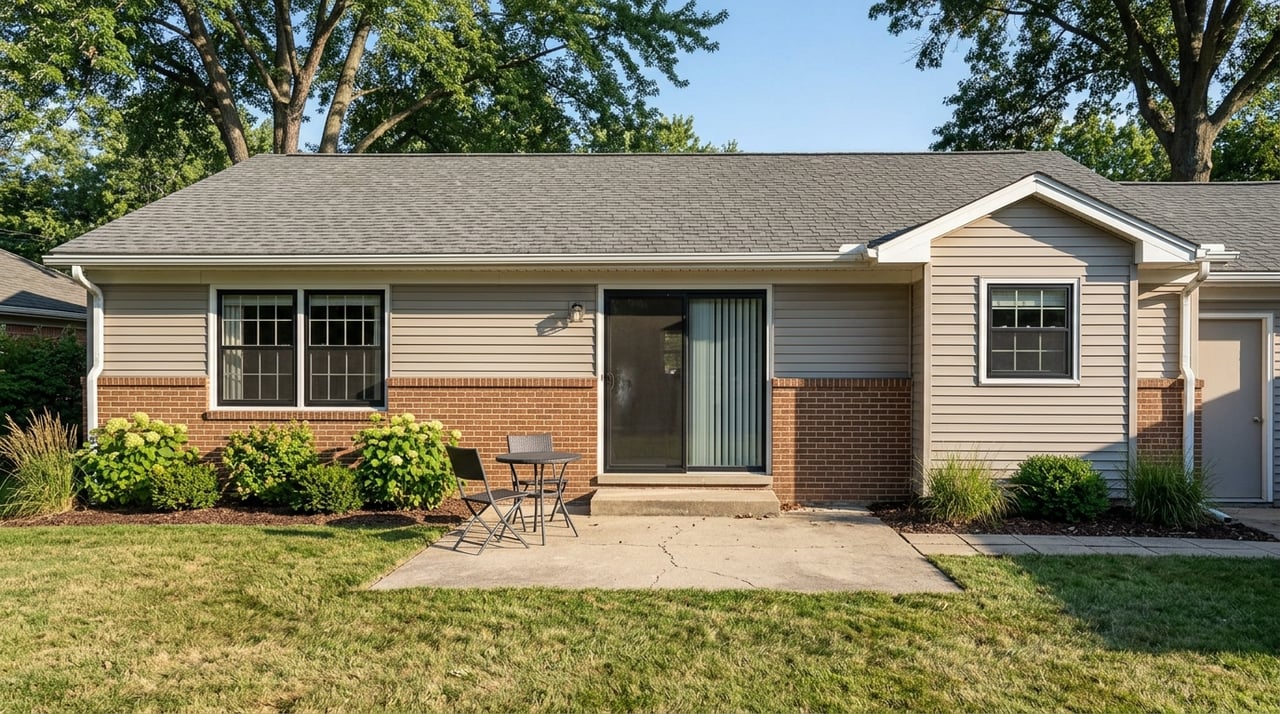
In Allouez, the exterior story matters. The village’s housing guidance references traditional neighborhood development patterns, including homes closer to the street, front porches, and garages set back from the street. In a setting like that, buyers often form an opinion before they even step inside.
Make sure porch furniture feels intentional and scaled to the space. Tidy the entry, refresh the walkway, and keep the front elevation visible for photos. Because so many Allouez homes sit in established neighborhoods with mature streetscapes, a clean and welcoming exterior can reinforce the home’s character in a very strong way.
If your home is locally designated as historic, be careful with exterior work before listing. The Village of Allouez Historic Preservation Commission reviews certificates of appropriateness for exterior modifications to locally designated historic properties. If you are considering repainting, window replacement, or porch alterations, it is smart to check that process before starting the work.
Photography can make or break the story of a character home. Before your listing photos are taken, step through the property and identify the details that deserve to be highlighted. That may include original doors, hardware, trim profiles, stair rails, mantels, built-ins, and porch elements.
The National Trust for Historic Preservation recommends documenting historic details before they disappear. For sellers, that is a helpful reminder to make sure these features are not visually lost behind clutter or temporary decor. Good listing prep helps the camera capture what makes the home different.
As a simple rule, make sure important trim, fireplaces, floors, and windows remain visible in photos. Buyers scrolling online should be able to tell right away that your home has character and has been thoughtfully presented.
If you want a simple way to prepare your home, focus on these steps first:
The best staging for an Allouez character home helps buyers read the house correctly. It should feel clean, bright, and easy to imagine living in, while still honoring the details that give the property its identity. When you preserve the home’s defining features and simplify everything around them, you create a presentation that feels both polished and authentic.
That kind of balance is especially valuable in an established market like Allouez, where older homes often stand out because of craftsmanship, setting, and long-term care. If you are preparing to sell and want guidance on how to position your home for today’s buyers, Becky Buckland Collaborative can help you create a smart, locally informed plan.
Stay up to date on the latest real estate trends.
Whether you’re ready to buy, sell, or invest, Becky Buckland Real Estate Collaborative is here to make the process smooth and successful. Put our local expertise and dedication to work for you.