Howard WI Rental Property Guide for Investors
April 16, 2026
April 16, 2026
Wondering whether a single-family rental in Howard is a smart move? If you are looking at Northeast Wisconsin investment property, Howard stands out for its detached housing stock, suburban setting, and steady local fundamentals. The key is knowing where the opportunity is, where the pressure points are, and how to evaluate a property beyond the listing price. Let’s dive in.
Howard offers a mix that many long-term investors look for: accessibility, stable household income, and a housing stock centered on single-family homes. The village describes itself as one of the fastest-growing areas in Wisconsin, with access to Interstate 43, US Highway 41, and State Highway 29, along with rail access and proximity to Austin Straubel International Airport through its community development overview.
That location advantage is paired with a solid local profile. According to U.S. Census QuickFacts for Howard, the village had an estimated 2024 population of 21,961, a median household income of $85,477, a poverty rate of 5.1%, and an owner-occupied housing rate of 63.9%. For rental owners, those numbers point to a middle-income market with both homeowner stability and an established renter base.
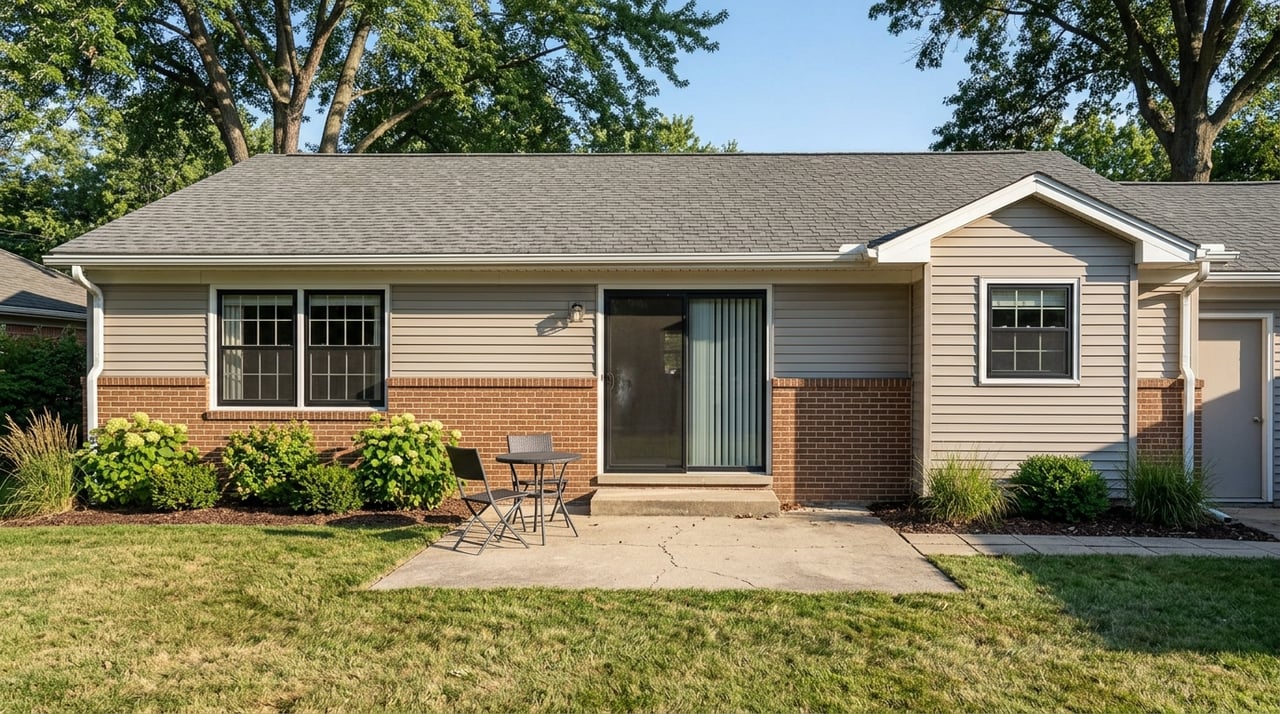
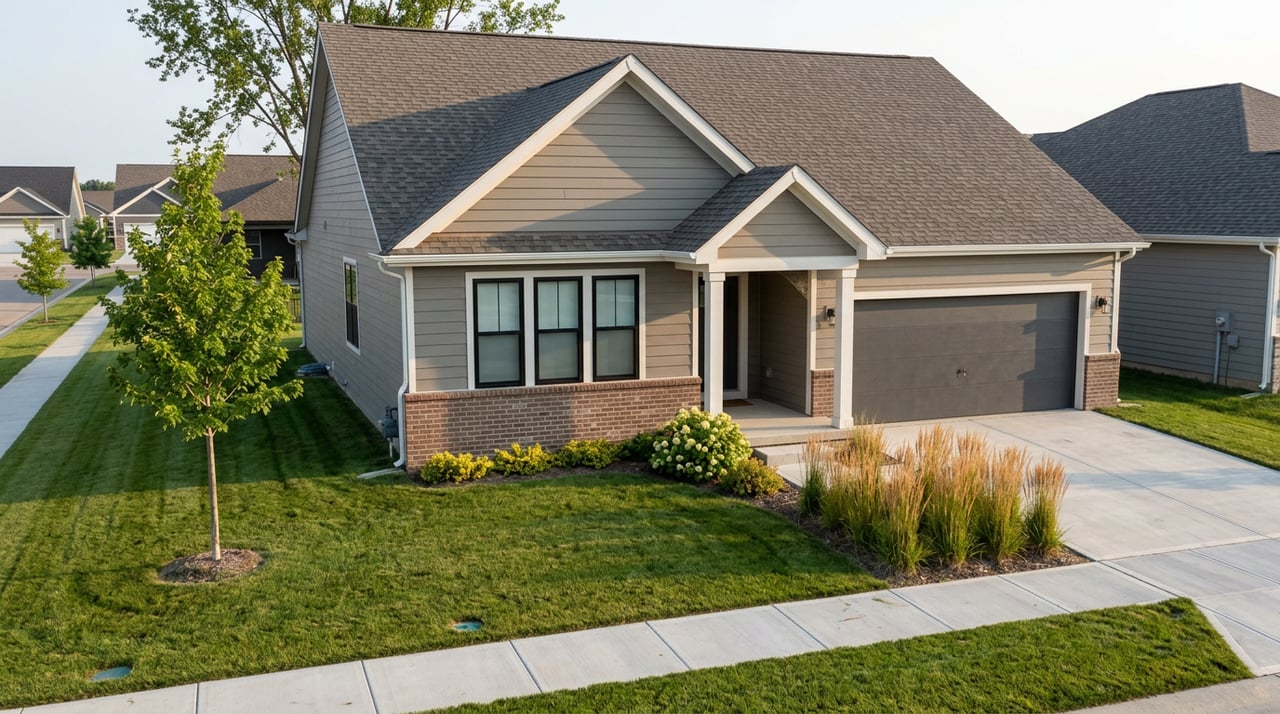
If you are evaluating single-family rentals, Howard’s housing mix is one of the biggest reasons to pay attention. The village’s comprehensive plan snapshot reported that 64% of housing units were single-family detached and that the vacancy rate was 2.8%, based on 2018 to 2020 housing data in the Howard Comprehensive Plan.
That matters because it suggests the local market is not dominated by large apartment inventory. Instead, the housing profile aligns more naturally with long-term rentals in detached homes, especially for tenants who want more space, private yards, or a more suburban setting.
Village survey materials add another useful layer. In those materials, residents cited the school district, family ties, cost of housing, safety, and neighborhood quality as top reasons for living in Howard, and 82% of respondents agreed or strongly agreed that mid-level single-family homes are needed according to the village survey materials. For investors, that supports the idea that lower-density housing may be a better fit than apartment-heavy strategies.
A rental property performs best when it lines up with what local tenants are actually looking for. In Howard, daily convenience and public amenities are part of that equation. The village highlights Howard Commons Activity Complex, Duck Creek Quarry Beach, and Juza-Oliver Family Park as community features that support recreation and outdoor use.
The area is also served by the Howard-Suamico School District, which includes eight schools across 58 square miles in Howard and Suamico. For rental owners, the practical takeaway is not to make assumptions about tenant demographics, but to recognize that district boundaries, commute access, and nearby amenities can shape demand and leasing interest.
Howard’s average commute time was 20.3 minutes in the latest Census data. That can support demand from renters who want a suburban setting without giving up access to jobs and services in the broader Green Bay area.
Before you buy, it helps to zoom out and look at the big-picture numbers. Realtor.com’s Howard market overview reported a median home sale price of $439,900 in February 2026, with 110 homes for sale, 10 rental listings, and a median of 47 days on market. The site classified Howard as a balanced market.
On the rent side, Census QuickFacts lists Howard’s median gross rent at $1,102. When you compare that benchmark to the median sale price of $439,900, you get a rough gross rent yield near 3.0% before factoring in taxes, insurance, vacancy, repairs, turnover, and management.
That does not mean every property in Howard is a weak rental. It does mean you should be selective. A median-wide comparison is only a screening tool, especially since rent and sale-price figures come from different data sets. In practice, the most promising opportunities may be homes bought below median price, properties with lower deferred maintenance, or houses with layouts and locations that support stronger rent relative to acquisition cost.
In Howard, property taxes deserve close attention because they can materially affect cash flow. The village’s 2026 tax ordinance set a net tax rate of $12.47 per $1,000 of assessed value for properties in the Howard-Suamico School District after the state school tax credit reduction.
Using that rate, a property assessed at $439,900 would imply about $5,486 per year in property taxes, subject to future changes and the property’s actual assessment. That is a major line item for any investor underwriting a deal.
You also want to verify the current assessment instead of assuming the sale price tells the whole story. Howard’s assessor information page explains that assessed values are established each January 1, and equalized ratios are monitored by the Wisconsin Department of Revenue. If you are comparing multiple properties, even small differences in assessment can alter your annual holding costs.
Single-family rentals in Howard often come with more exterior responsibility than investors first expect. The village’s zoning framework includes multiple residential districts, and the R-1 single-family district requires at least 80 feet of lot width and 10,800 square feet of lot area according to the village zoning materials.
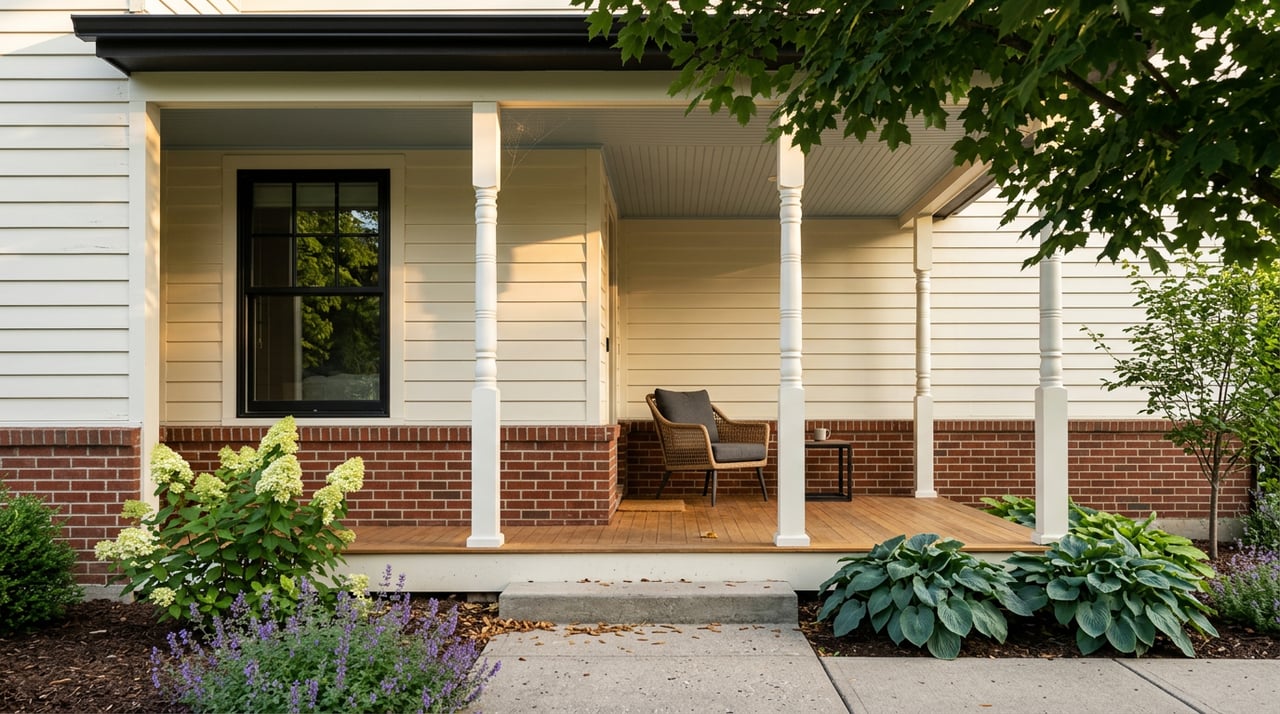
That larger-lot pattern can be attractive to tenants, but it also affects your maintenance budget. Yards, landscaping, snow-related wear, tree upkeep, and seasonal cleanup are all part of ownership. Howard’s trash and recycling collection information shows regular trash pickup, biweekly recycling, seasonal leaf and thatch collection, and year-round yard waste and compost drop-off, which gives you a sense of the seasonal upkeep rhythm in the village.
If you are underwriting a property, do not stop at paint, flooring, and mechanicals. Include lawn care expectations, drainage issues, driveway condition, roof age, siding, and any outdoor features that will need attention over time.
New construction can shape renter expectations, but Howard’s cost trends may also create an opening for well-kept resale homes. Village board materials noted that the average single-family building permit rose to $323,415 in 2024, up from $225,223 in 2017, and that public-improvement costs for a similar 80-foot lot increased 33% from 2020 to 2024 in the same village materials.
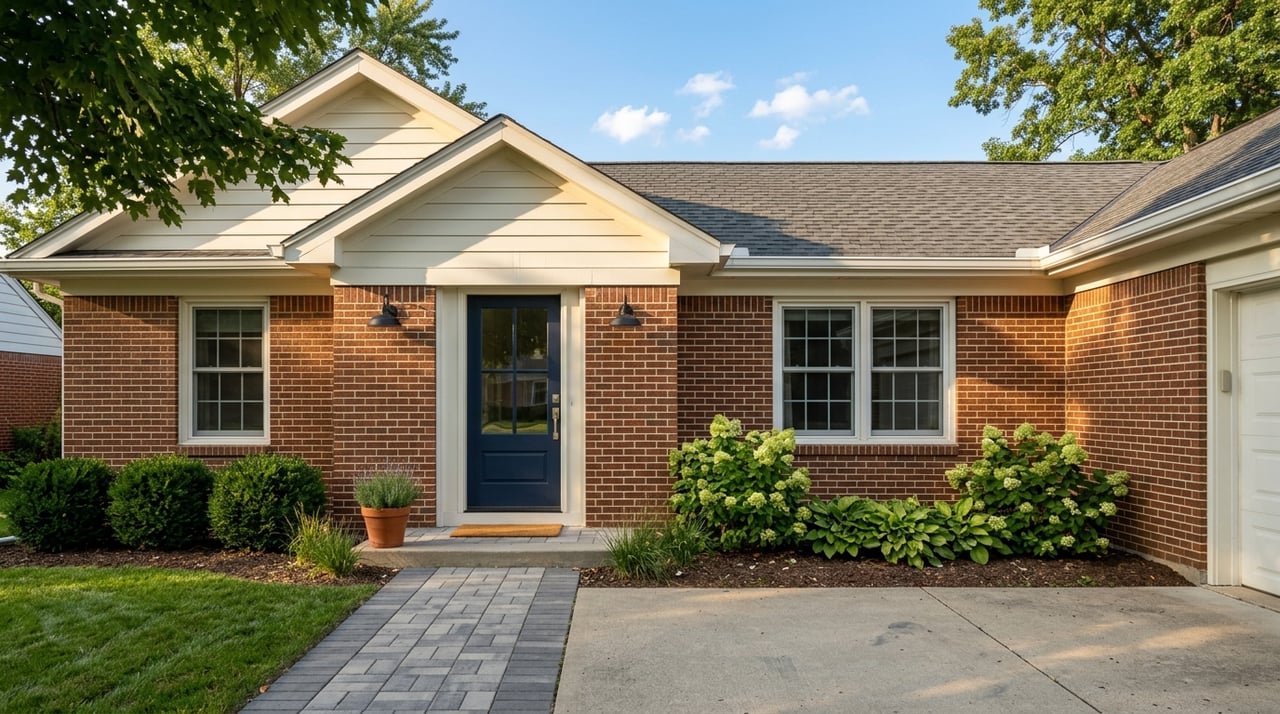
For investors, that replacement-cost backdrop matters. If new-build costs remain elevated, an existing single-family home in solid condition may compare favorably, especially when it already has established landscaping, mature surroundings, and fewer upfront improvement demands than building from the ground up.
Based on the available data, Howard appears better aligned with long-term single-family rentals than casual short-term rental experimentation. The housing stock, low vacancy, and community feedback all point toward a market that values detached housing and neighborhood stability.
If you are considering short-term rental use, do not assume you can decide that later. Howard requires a short-term rental license or permit if the dwelling is rented for more than 10 days per year, and the application requires several supporting items, including a state tourist rooming house license, seller’s permit, lodging inspection, fire inspection, insurance, floor plan, site plan, and annual renewal. The application also states that owners must collect and remit the 10% room tax when applicable.
For many buyers, that makes the long-term rental model the more straightforward path to evaluate first.
If you are comparing opportunities in Howard, focus on the basics that most directly influence performance:
A property does not need to check every box perfectly. It does need to make sense as a whole when you look at income potential, annual carrying costs, and the amount of time and capital it will take to keep the home competitive.
Howard can make sense for investors who want a long-term single-family rental in a suburban, detached-home market with strong regional access and community amenities. The appeal is clearest when you find a property with reasonable acquisition cost, manageable tax exposure, and an exterior condition profile that will not surprise you after closing.
The challenge is that headline pricing and taxes can squeeze returns if you buy without a detailed review. In this market, careful underwriting matters more than broad assumptions.
If you are weighing a Howard purchase and want local insight on value, resale potential, or how a specific property fits your investment goals, Becky Buckland Collaborative can help you evaluate the opportunity with clear, local guidance.
Stay up to date on the latest real estate trends.
Whether you’re ready to buy, sell, or invest, Becky Buckland Real Estate Collaborative is here to make the process smooth and successful. Put our local expertise and dedication to work for you.