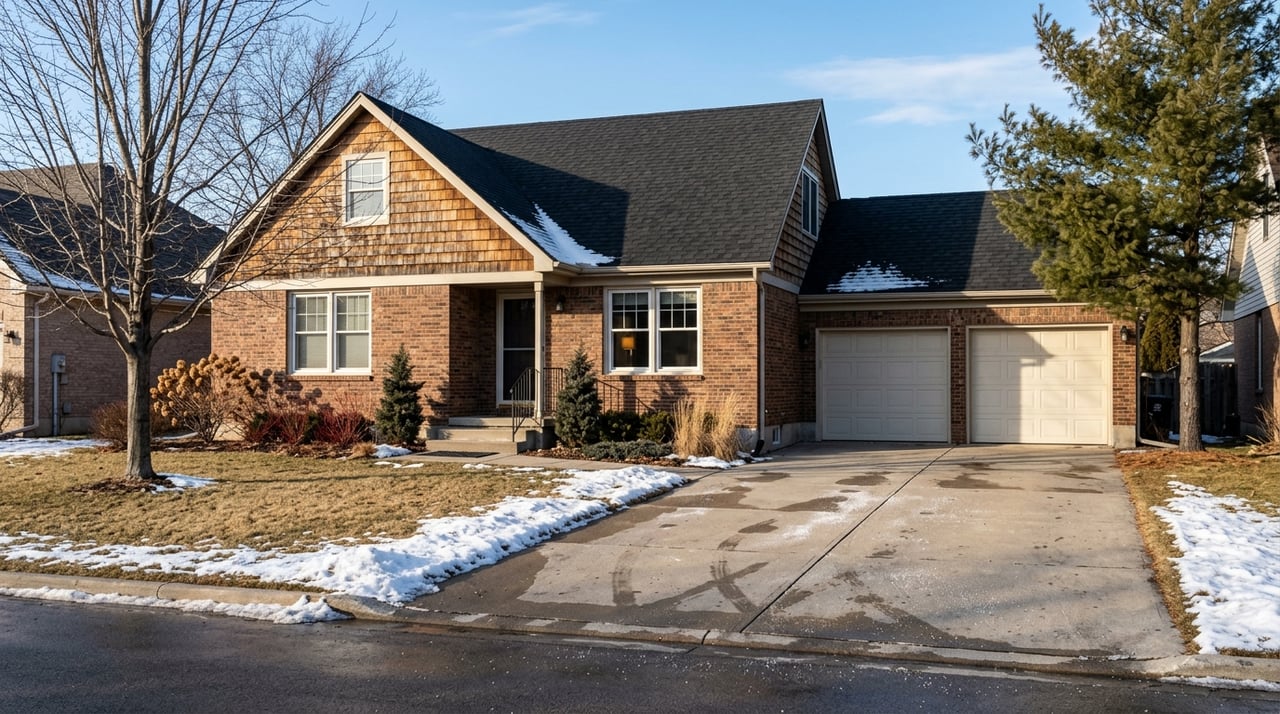
Off-Season Life In Sturgeon Bay For Second-Home Owners
May 28, 2026
May 28, 2026
What if your second home in Sturgeon Bay felt just as rewarding in January as it does in July? That is the real question many buyers ask when they look at Door County, because owning a seasonal property is about more than summer weekends and postcard views. If you want to know what the quieter months actually feel like, what stays open, and whether the town still feels livable, this guide will walk you through it. Let’s dive in.
The off-season in Sturgeon Bay is quieter, but it is not shut down. Door County’s winter materials describe the season as more intimate and local, with winter activities, events, dining, shopping, live music, theater, and outdoor recreation still part of daily life. For second-home owners, that matters because you are not arriving to a place that goes dormant for months.
Winter here is a real season. Average high and low temperatures are about 39 and 22 degrees in December, 31 and 19 in January, and 33 and 19 in February, with daylight ending before 5 p.m. for much of the season. That means your off-season routine becomes more weather-aware, but it can still feel full and comfortable when you know what to expect.
If you spend time in Sturgeon Bay during the colder months, the pace changes in a good way. Streets are calmer, parking is easier, and many experiences feel more local than tourist-driven. You may notice that the town feels less crowded, yet still clearly lived-in.
This is one of the biggest draws for second-home owners who want a reset. Instead of planning around peak-season traffic and packed calendars, you can settle into slower mornings, scenic shoreline walks, and relaxed dinners. The appeal is not just winter scenery. It is the feeling that you can still enjoy the area without the intensity of summer.
One of the most practical questions second-home buyers ask is simple: can you still go out and enjoy yourself in the off-season? In Sturgeon Bay and the surrounding area, the answer is yes, but with a little more planning than you need in summer.
Door County keeps winter dining and lodging directories, and several nearby businesses advertise year-round or winter service. Renard’s Cheese & Melt Bistro says it is open year-round, seven days a week. The Gnoshery says it is year-round, and Scaturo’s Baking Co. & Cafe serves breakfast, lunch, and Sunday brunch year-round.
That said, winter hours can vary, and some businesses shorten schedules or close on certain holidays. A place may be open, but not on the same pattern you are used to in peak season. For a second-home owner, the takeaway is easy: the off-season supports real dining options, but checking ahead becomes part of the routine.
A quieter season does not mean an empty calendar. Sturgeon Bay keeps a distinct winter identity through events that bring people downtown and create reasons to use your second home beyond the holidays.
One standout is the annual Fire & Ice Festival in February. Destination Sturgeon Bay describes it as a downtown event centered on luminary hikes, live music, ice carving, trolley rides, and an indoor winter market. For homeowners, this kind of event helps answer a key question: will a winter weekend still feel worth the drive? In Sturgeon Bay, there is a strong case that it will.
The holiday season also stays active through Christmas by the Bay. Official local event materials point to shopping, Santa visits, and community events downtown. If you enjoy using your second home around the holidays, this gives you more than just a decorated house and snowy streets. It gives you a seasonal rhythm in town as well.
For many second-home owners, indoor activities matter just as much as outdoor recreation in winter. That is especially true when weather changes quickly or daylight gets short. Sturgeon Bay benefits from having indoor destinations that continue to anchor the season.
The Door County Maritime Museum is open year-round, though winter hours are shortened and holiday closures apply. Its Merry-Time Festival of Trees is a seasonal draw that turns the museum into a holiday destination on the working waterfront. That adds a layer of seasonal tradition many buyers appreciate when they imagine hosting family or spending festive weekends in town.
Third Avenue PlayWorks also helps keep the off-season engaging with year-round theater, holiday productions, and participation in winter market activity tied to Sturgeon Bay events. When you combine live performance, downtown events, and open dining options, the town feels far more active than many buyers expect.
If you are shopping for a Door County second home, there is a good chance the waterfront lifestyle is part of the appeal. In winter, that lifestyle does not disappear. It simply changes.
Instead of boating, waterfront use shifts toward shoreline recreation and cold-weather outdoor time. Potawatomi State Park offers designated winter hiking and snowshoeing trails along the shoreline, about 8.5 miles of groomed cross-country ski trails, and access that can support ice fishing when conditions allow. For second-home owners, that means the landscape still gives you a reason to get outside.
The Ahnapee State Trail begins in downtown Sturgeon Bay and remains active in winter for walking, bicycling, cross-country skiing, and snowshoeing. It is not groomed and is shared with snowmobiles, so conditions and comfort levels matter. Still, it reinforces an important point: the shoreline and trail network remain part of everyday life, even in the coldest months.
The best way to think about off-season life in Sturgeon Bay is not as a lesser version of summer. It is a different version of the same place. The question is whether that version matches what you want from a second home.
If your ideal getaway depends on nonstop summer activity, winter may feel too quiet. But if you value a slower pace, local events, year-round arts and dining, and access to shoreline recreation, the off-season can become part of the property’s real value. You are not just buying a home for peak weeks. You are buying into how the area functions across the year.
That is often where buyers gain clarity. A second home that still feels enjoyable in January can be easier to use more often, easier to share with family and friends, and more aligned with the lifestyle you actually want. In a place like Sturgeon Bay, that realism matters as much as the view.
When you are comparing properties, it helps to think beyond summer features. A great off-season home is not only about water access or outdoor entertaining space. It is also about how the property supports comfort and convenience when temperatures drop and daylight shortens.
Here are a few practical questions to keep in mind:
These questions can help you look at a property through a full-year lens. That is especially useful in Door County, where a home’s value to you may depend on how often you truly plan to use it outside the summer rush.
Buying a second home in Sturgeon Bay is partly about the property, but it is also about the experience you want to have once you arrive. The off-season gives you a clearer picture of that experience. It shows you whether the area still feels welcoming, functional, and enjoyable when life gets quieter.
For many buyers, that is exactly where Sturgeon Bay stands out. It becomes more relaxed and more weather-conscious, but it still offers enough dining, culture, events, and waterfront recreation to feel active and lived-in. If that sounds like your kind of second-home rhythm, the off-season may be one of the best reasons to buy here.
If you are exploring Door County second homes and want local guidance grounded in real market knowledge, Becky Buckland Collaborative can help you find a property that fits how you plan to live in every season.
Stay up to date on the latest real estate trends.
Whether you’re ready to buy, sell, or invest, Becky Buckland Real Estate Collaborative is here to make the process smooth and successful. Put our local expertise and dedication to work for you.