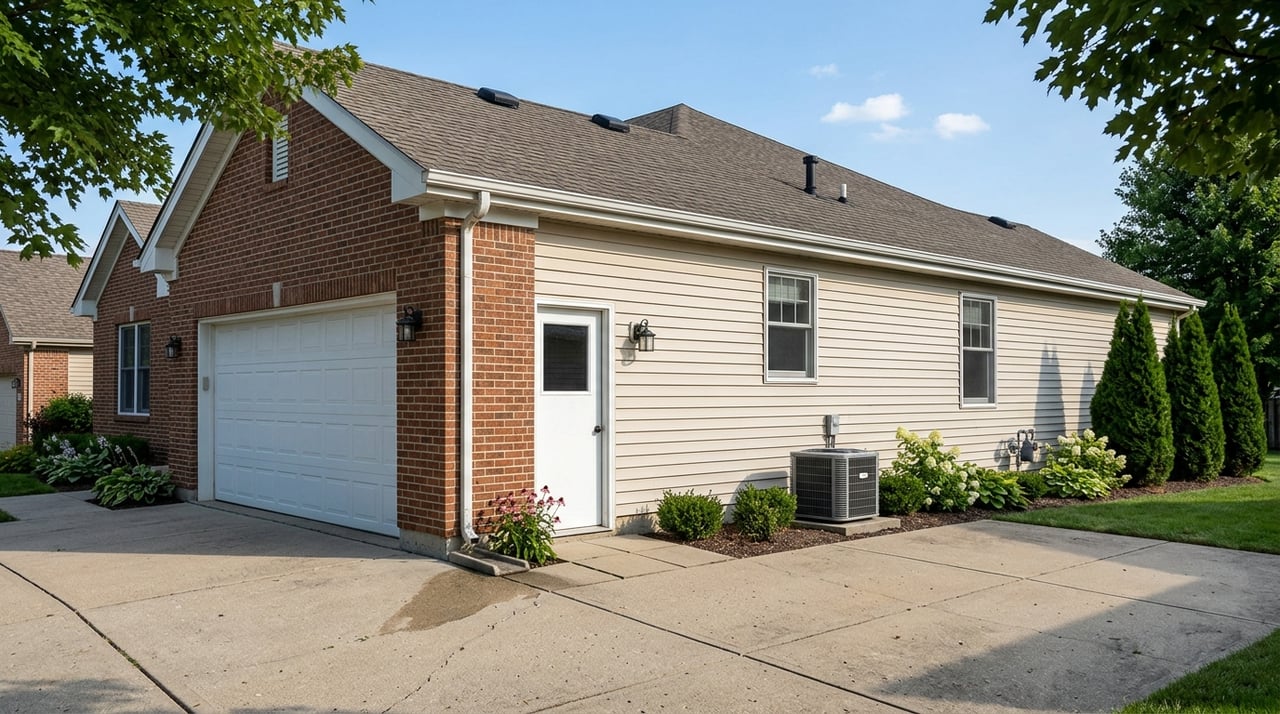
Planning the True Cost of a Second Home in Sturgeon Bay
April 2, 2026
April 2, 2026
Buying a second home in Sturgeon Bay can feel like a dream come true, but the purchase price is only part of the story. If you want your getaway to stay enjoyable, you need a clear plan for the costs that show up before closing, after move-in, and during the months when the home may sit empty. This guide will help you think through the real cost of ownership in Sturgeon Bay so you can budget with more confidence. Let’s dive in.
A second home in Sturgeon Bay comes with local factors that can shape your budget in ways buyers do not always expect. Climate, shoreline exposure, floodplain considerations, and seasonal vacancy can all affect what you spend year-round.
According to Door County planning data, the Sturgeon Bay Experimental Farm station recorded a mean annual temperature of 44.5°F from 2000 to 2021 and average annual snowfall of 59.3 inches, with a peak year of 102.1 inches in 2018. That means snow removal, winter prep, and weather-related maintenance should be treated as routine ownership costs, not occasional surprises.
The same report notes that Wisconsin has warmed by about 3°F since the 1950s and precipitation has increased by 17%. For you as a second-home owner, that is a reminder to budget for both snow and heavier-rain events, especially if the property is near the water or in a lower-lying area.
Before you settle into second-home ownership, it helps to map out the upfront expenses that often arrive before or shortly after closing. These can add up quickly, especially if the home needs updates or a full seasonal setup.
If you buy an older home or one that needs mechanical updates, city permit costs may become part of your startup budget. The City of Sturgeon Bay fee schedule lists examples such as $75 for electric service for new or rewire work, $60 for a sewer lateral, $60 for HVAC new or replacement in some categories, and $40 for re-inspection.
That same schedule says fees are doubled if work starts before a permit is issued. If you are planning improvements right after closing, good timing and clear contractor coordination can help you avoid unnecessary added cost.
Many second homes need more setup than buyers first expect. Beyond furniture, you may need linens, kitchen basics, patio pieces, dehumidifiers, snow tools, backup supplies, and storage solutions.
This also ties into insurance decisions. The Wisconsin Office of the Commissioner of Insurance explains that homeowners policies often cover contents on an actual cash value basis unless replacement-cost coverage is purchased. If you plan to furnish the home with higher-quality items, it is worth understanding how your contents coverage applies.
If your second home includes water access or you plan to keep a boat nearby, your budget may need a separate recreation line item. The city fee schedule includes charges for seasonal launch passes, mooring fees, and seasonal slips.
Even if those costs are optional, they are still part of the true cost of ownership for some waterfront buyers. A home that supports your lifestyle can be well worth it, but it helps to price the full experience from the beginning.
Once the home is yours, the ongoing monthly and annual costs become the real test of affordability. A strong second-home budget should account for regular bills, seasonal upkeep, and a reserve for unexpected repairs.
Property taxes are not just a once-a-year thought. Door County property tax information says real property tax bills are mailed in early to mid-December and are due either in full by January 31 or in two installments due January 31 and July 31.
The county also notes that if either installment is late, the full bill becomes delinquent and interest and penalties are charged at 1.5% per month starting February 1. For second-home owners, especially those managing multiple properties, this is an important cash-flow deadline to plan around.
Your utilities may come from several categories rather than one simple bill. The City of Sturgeon Bay’s 2023 audit shows the city operates separate sewer, water, electric, and solid waste utility functions.
The city’s fee schedule adds two recurring charges that are especially relevant for homeowners: a $10.42 monthly solid-waste enterprise fee for residential equivalents and a $6.47 monthly stormwater utility fee per equivalent. These may not be the largest expenses in your budget, but they are fixed ownership costs that should be included in your planning.
Insurance deserves its own category because second homes often carry different risks than primary residences. The Wisconsin OCI homeowners insurance guide says homeowners insurance is not legally required by the state, but mortgaged homes usually need coverage at least for the outstanding loan balance.
OCI also notes that a standard homeowners package typically includes dwelling and personal property coverage, personal liability, medical payments, and additional living expenses. That gives you a base layer of protection, but it does not mean every risk is covered.
If the property is near the Bay, a creek, or another low-lying area, flood insurance should be reviewed separately. The Wisconsin OCI flood insurance page states that most homeowners insurance does not cover flood damage, and flood coverage is generally purchased through private carriers or the National Flood Insurance Program.
OCI also notes that there is often a 30-day waiting period before a new flood policy takes effect. If you are buying a home in or near an area of concern, that timing matters.
A second home is different from a primary residence because there may be long stretches when no one is there. That makes routine oversight part of the ownership budget, even if the home is in excellent condition.
Vacancy is not just a maintenance issue. It can affect your policy itself. According to Wisconsin OCI, an insurer may cancel a homeowners policy if a home has been vacant for more than 60 days, and some coverages may be suspended even when the policy remains in force.
That is why many second-home owners plan for regular check-ins, heat monitoring, leak detection, and winterization. These services may feel optional at first, but they can help prevent much larger costs later.
Sturgeon Bay’s weather makes winter planning especially important. Door County data shows average annual snowfall near 60 inches, and recent planning data referenced in the report notes winter temperatures averaging 21.2°F.
That kind of climate can increase the need for pipe protection, roof and gutter care, dehumidification, driveway clearing, walkway clearing, and post-storm inspections. If you are comparing second-home options, homes with simpler exterior maintenance needs may offer more predictable carrying costs.
Even if you hire private vendors, city fee benchmarks can help you estimate seasonal upkeep. The Sturgeon Bay fee schedule lists $250 for initial lawn mowing plus $50 per additional occurrence, and $125 for initial snow removal plus $25 per occurrence.
Those numbers are useful because they show a local cost floor. If you will not be in Sturgeon Bay full time, routine grounds care and snow service should be built into your annual ownership plan.
In Sturgeon Bay, location can affect ownership costs in a very direct way. Waterfront and creek-adjacent homes can be appealing, but they may also require more detailed budgeting.
The City of Sturgeon Bay comprehensive plan says floodplain areas are located along the Bay and portions of Little Creek and Big Creek, and that about 543 acres, or roughly 9% of the city’s land area, are classified as floodplain. The plan also states that FEMA maps should be used for official floodplain boundaries and elevations.
For you, that means floodplain review is not just a paperwork step. It can affect insurance decisions, drainage planning, maintenance reserves, and how you think about lower-level spaces, water management, and long-term repairs.
If you want a useful budgeting framework, it helps to separate costs into clear buckets. That makes it easier to compare properties and avoid underestimating what ownership will really feel like month to month.
Consider budgeting for these categories:
A strong plan does not just help you afford the home. It helps you enjoy it with fewer surprises.
Second-home buyers often do best when they look beyond the list price and ask how a property will live over time. In Sturgeon Bay, that means understanding climate exposure, utility structure, floodplain questions, seasonal upkeep, and the timing of tax and insurance decisions.
When you work with an experienced local advisor, you can compare homes with a clearer view of both lifestyle fit and ownership costs. If you are thinking about a second home in Door County, the Becky Buckland Collaborative can help you evaluate properties with the practical local insight that supports a more confident decision.
Stay up to date on the latest real estate trends.
Whether you’re ready to buy, sell, or invest, Becky Buckland Real Estate Collaborative is here to make the process smooth and successful. Put our local expertise and dedication to work for you.