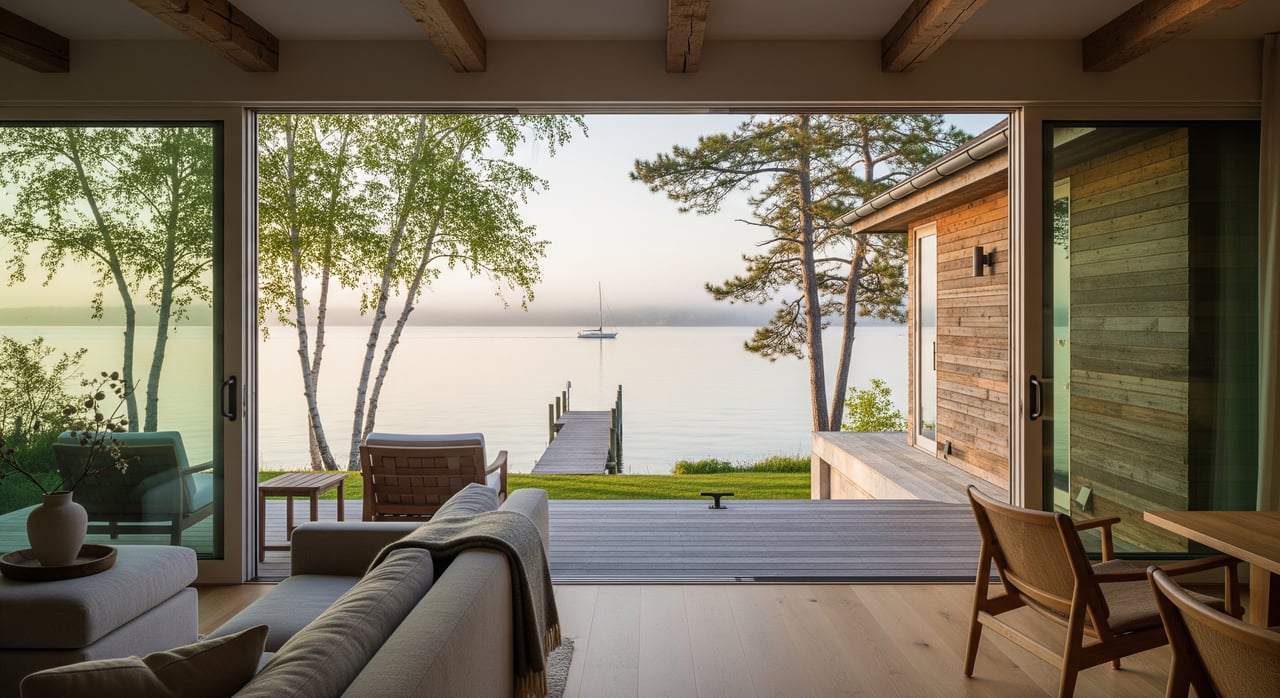
Owning A Second Home In Sturgeon Bay: Lifestyle Snapshot
February 5, 2026
February 5, 2026
Picture this: coffee on the deck as sailboats ease through the canal, a late‑morning hike along the shoreline, and dinner in town before a sunset drive. If you’re considering a second home that blends boating access, small‑city convenience, and Door County charm, Sturgeon Bay belongs on your shortlist. You want a feel for daily life beyond the postcards, plus the practical details that make ownership smooth. Here’s a clear snapshot of what life looks like through the seasons, what you can expect day to day, and what to verify before you buy. Let’s dive in.
Sturgeon Bay is Door County’s primary city and service hub. You get a working waterfront with shipbuilding and repairs alongside marinas, galleries, and restaurants. It’s the gateway to county parks, islands, and village attractions, with a lifestyle that revolves around the water and the outdoors.
Many second‑home owners come for the boating, scenic shoreline, and a slower pace. You’ll feel the area’s seasonal rhythm: lively in summer and fall, quieter in winter, and gradually waking up again in spring.
April to June is a shoulder season. Businesses reopen, marinas launch into gear, and early boaters return. Weather swings can happen, but weekends start to buzz with daytrippers. It’s a great time to check systems at your home, book summer projects, and secure marina plans.
June to August is the busiest stretch. Marinas, restaurants, and arts events hum. If you’re planning to dine out on weekends or need transient slips, reservations are a smart move. Summer delivers that classic Door County vibe: long daylight, active harbors, and full event calendars.
September to October is a strong shoulder season thanks to fall color and harvest‑style events. Many owners plan longer visits now. Some smaller businesses start to scale back later in fall, so check hours and plan ahead for services.
November to March is the calmest time. Many tourism‑focused businesses reduce hours or close, and the area shifts to winter activities like ice fishing, snowmobiling, and cross‑country skiing. Boating is limited, and winterization becomes essential if your home sits vacant.
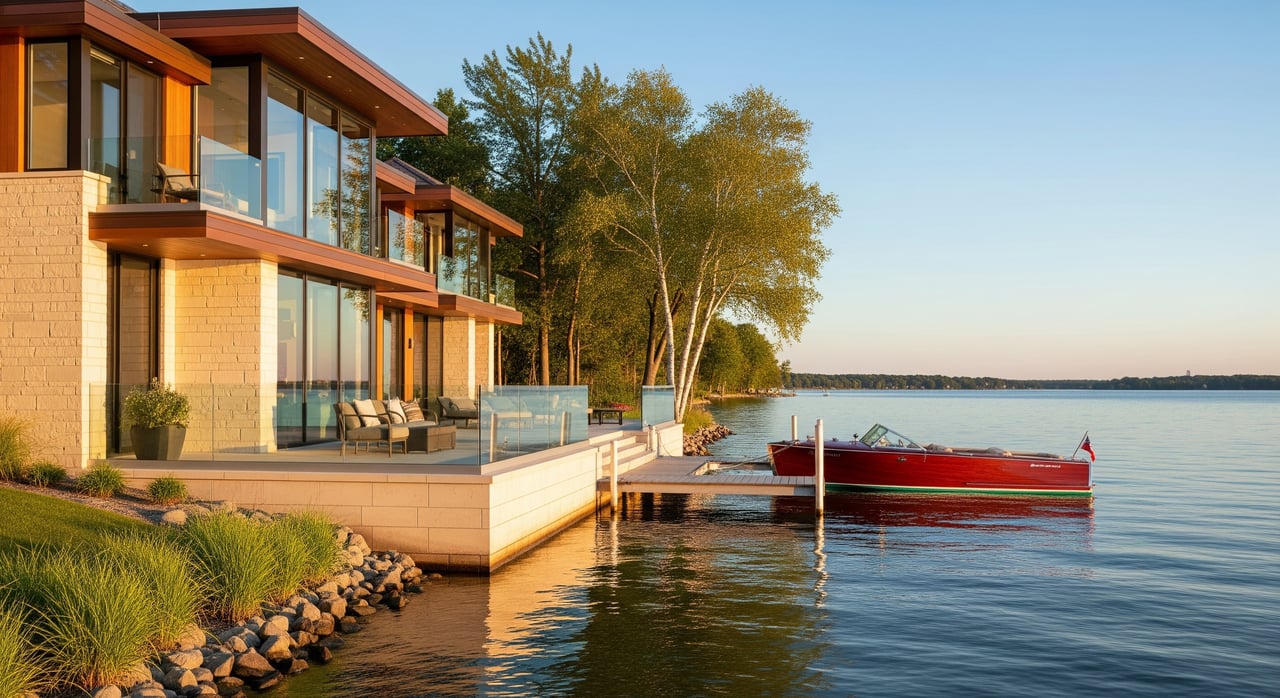
Boating is central here. The Sturgeon Bay ship canal links you to Lake Michigan and Green Bay, making sailing, powerboating, and fishing accessible. Expect a range of marinas, boatyards, fuel docks, and launch ramps in or near the city. Peak weekends can tighten slip availability, so many second‑home owners reserve well in advance or keep their boats at nearby marinas outside the city. Seasonal dock schedules, lift‑bridge operations, and Great Lakes water level changes can affect your plans, so keep an eye on local guidance.
You have easy access to shoreline hikes, cycling routes, and paddling. Potawatomi State Park and county parks anchor the trail scene and make it simple to build outdoor time into your day. In winter, the focus shifts to cross‑country skiing, snowmobiling, and ice fishing. If you’re a multi‑season owner, you’ll find something to do year‑round.
One of Sturgeon Bay’s biggest advantages is convenience. You’ll find year‑round essentials like grocers, hardware stores, pharmacies, and banks, which makes quick trips or extended stays practical. Dining runs from casual taverns and fish‑boil style fare to farm‑driven and regional restaurants. Many seasonal spots are most active spring through fall, so check hours in shoulder and winter months.
Door County’s arts identity runs strong in Sturgeon Bay. Galleries, community theater, maritime museums, and live music pick up in summer and fall, with select year‑round programming. Farmers’ markets, maritime festivals, and art walks bring locals and second‑home owners together. If you like to plug into community life, you’ll find welcoming entry points through neighborhood gatherings, boating clubs, and volunteer groups.
You can reach Sturgeon Bay via state highways from Green Bay and the rest of Door County. The closest commercial airport is in Green Bay. Summer weekends and peak fall color periods can bring heavier traffic and tighter lodging, so advance planning for arrivals, marina needs, and reservations helps a lot.
If your home sits empty for stretches, winterization matters. Protect plumbing and heating, or hire a local pro for shut‑down and periodic checks. Contractors, landscapers, painters, and marine technicians are available locally, but they book up fast during peak months. If you’re considering a summer project, schedule early.
Utilities vary by location. In‑city homes often have municipal water and sewer, while cottages and rural properties may run on wells and septic systems. Ask for maintenance history and inspection records so you understand ongoing care and costs.
Shoreline proximity, seasonal vacancy, and boat ownership all affect insurance. Work with providers familiar with coastal exposure and seasonal homes. Clarify coverages for wind, hail, or water damage, and any policy requirements tied to longer vacancy periods. On or near the water, review floodplain maps and shoreline setback rules. Great Lakes water level fluctuations can influence shoreline stability and dock usability.
Wisconsin property taxes and local assessments will apply to second homes. If you plan to rent the property when you’re away, confirm current short‑term rental requirements. Licensing, safety inspections, occupancy rules, and lodging taxes are administered by municipal and county authorities across Door County, and rules can vary by town or city. Waterfront improvements may be subject to setbacks, dock permits, or conservation easements, so verify before you budget for upgrades.
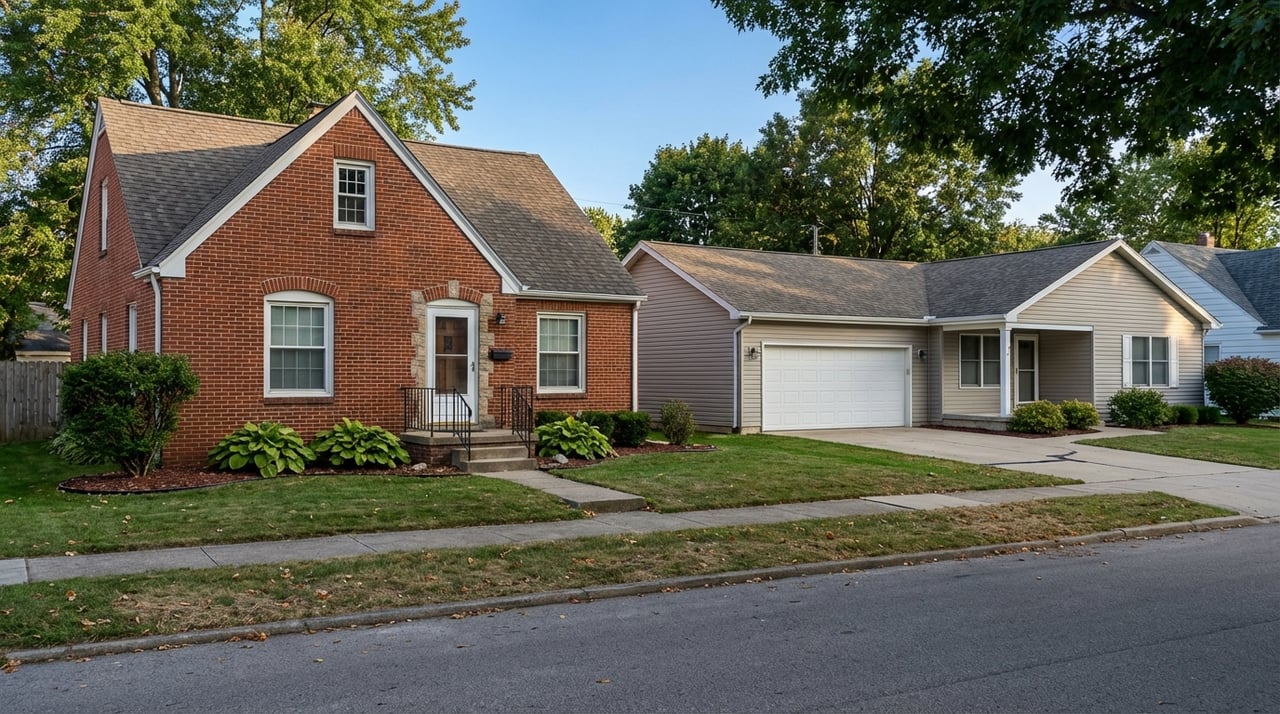
If you like walkability, downtown offers historic homes, condos, and newer infill close to restaurants, shops, and services. It’s a convenient base for frequent weekend use.
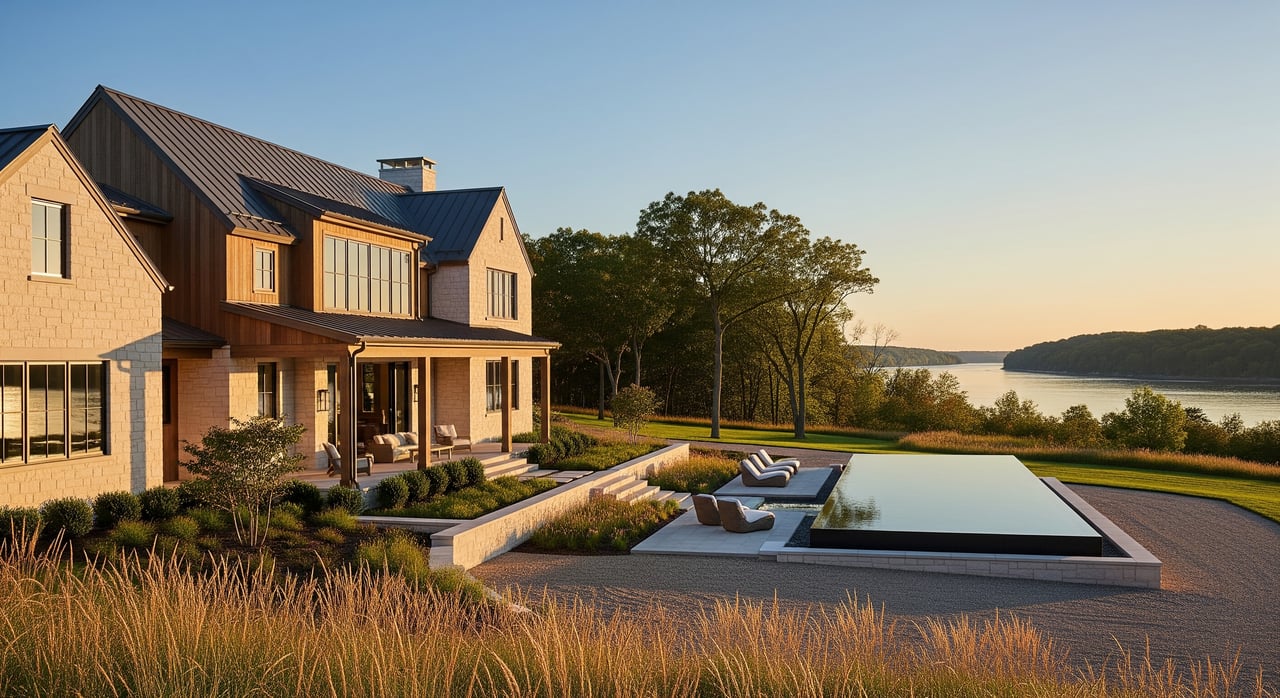
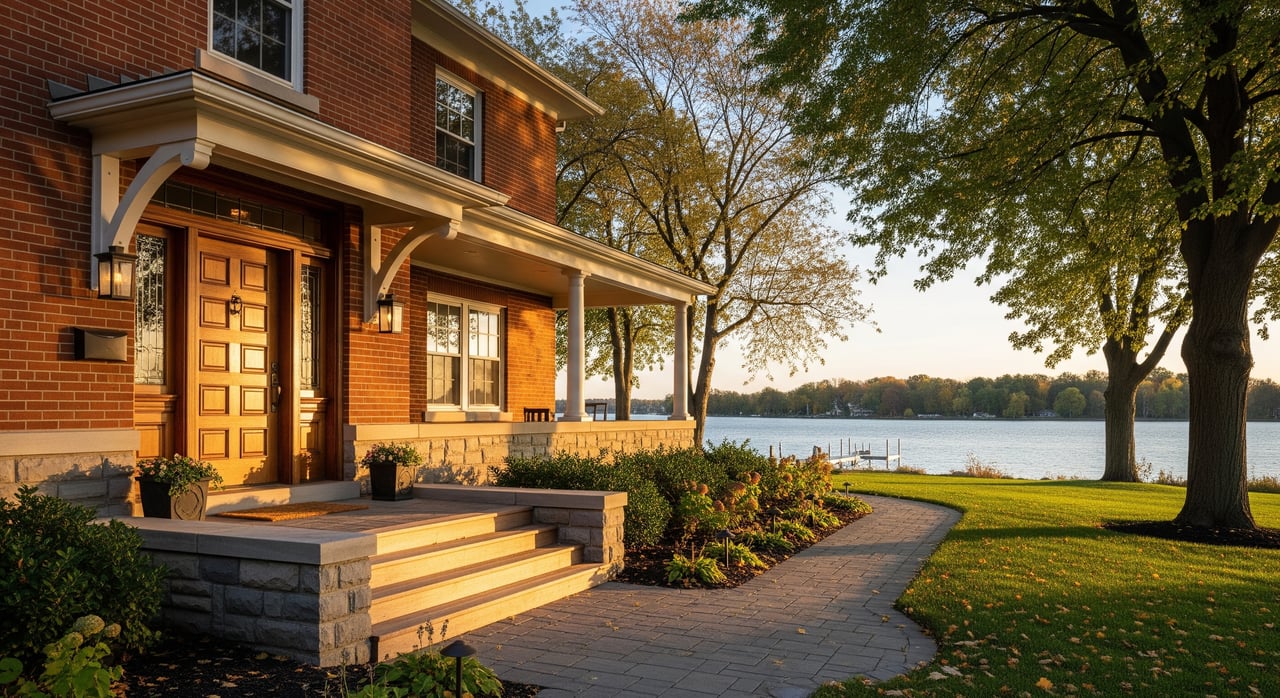
Canal‑side, bayside, and lakeshore areas are prized for views and boating access. You’ll find everything from modest cottages to larger remodeled homes. Premiums typically reflect private docks, shoreline frontage, and navigable access.
Just outside the city, you can find more privacy, acreage, and quick access to parks and orchards. Expect possible private roads and well or septic systems, which call for extra diligence on inspections and service history.
If lower maintenance is a priority, newer developments can offer year‑round amenities and simpler upkeep, making them attractive for lock‑and‑leave ownership.
Buyer interest has increased in recent years as more people seek recreational second homes and remote‑friendly lifestyles. Inventory can tighten during peak search periods. Waterfront and canal‑access properties command premiums, while homes needing winterization or with limited year‑round road access may list lower. Second‑home financing can differ from primary‑home mortgages, so connect early with lenders who understand vacation properties.
Use this to focus your due diligence on any property you’re considering:
A lifestyle fit is as important as the home itself. As you refine your shortlist, check event calendars to understand peak weekends, ask marinas about seasonal plans and slip availability, and review local ordinances for rentals, shoreline setbacks, and building permits. If rental income matters to you, verify licensing and inspections before you count on those numbers. For property value and timing, study recent micro‑neighborhood sales and factor in seasonal demand.
If you want a sounding board with deep local roots and specialty expertise in waterfront and Door County second homes, the Becky Buckland Collaborative can help you map lifestyle goals to the right property and plan for ownership success.
Ready to explore second‑home options in Sturgeon Bay? Reach out to the Becky Buckland Collaborative for a personalized consultation.
Stay up to date on the latest real estate trends.
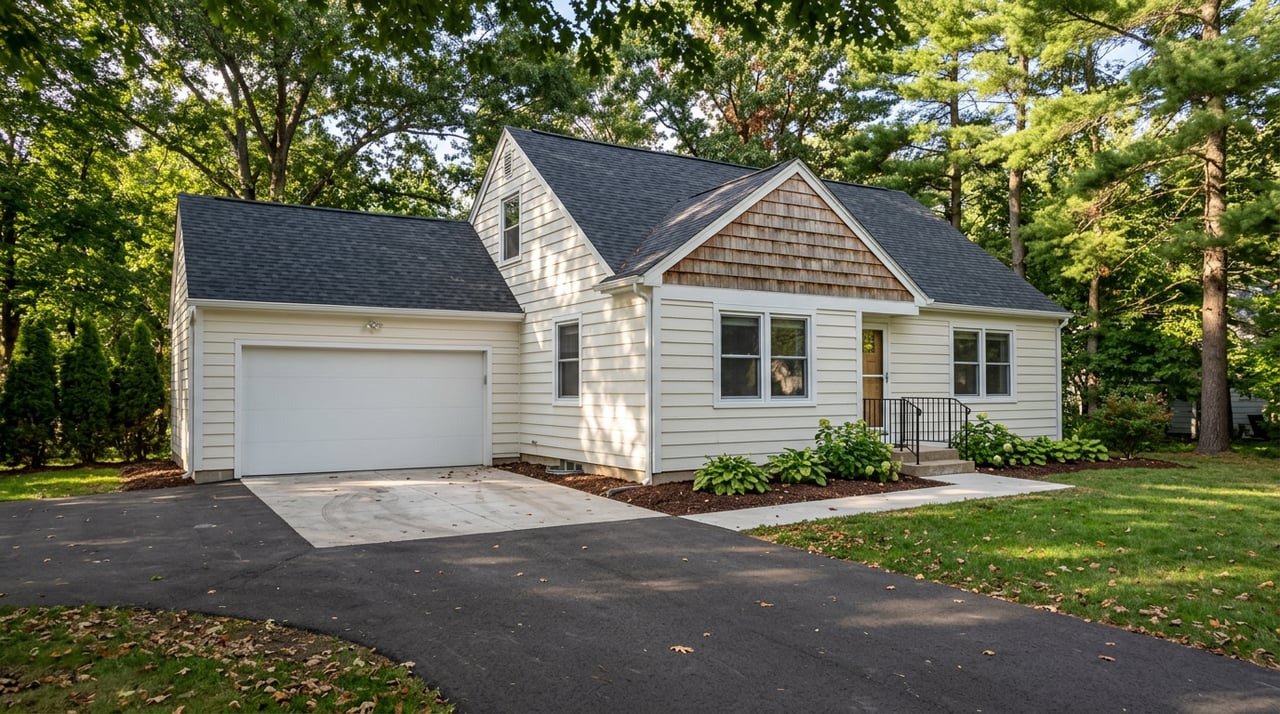
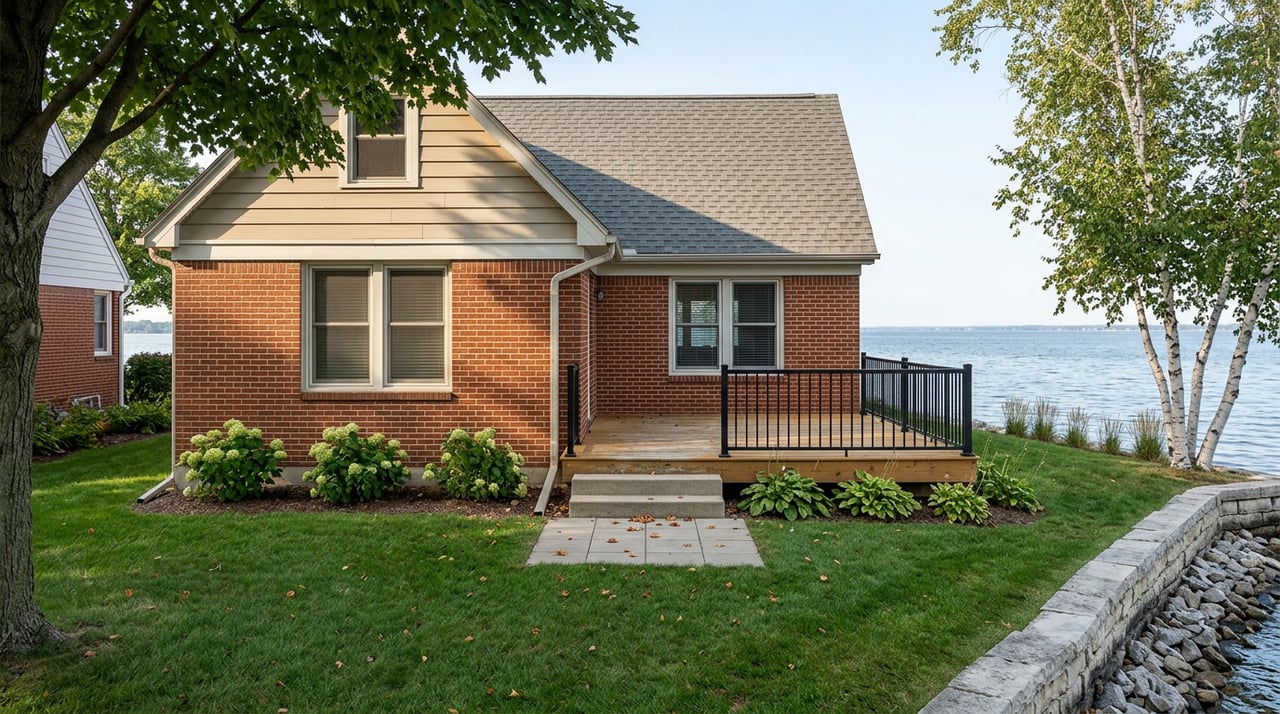
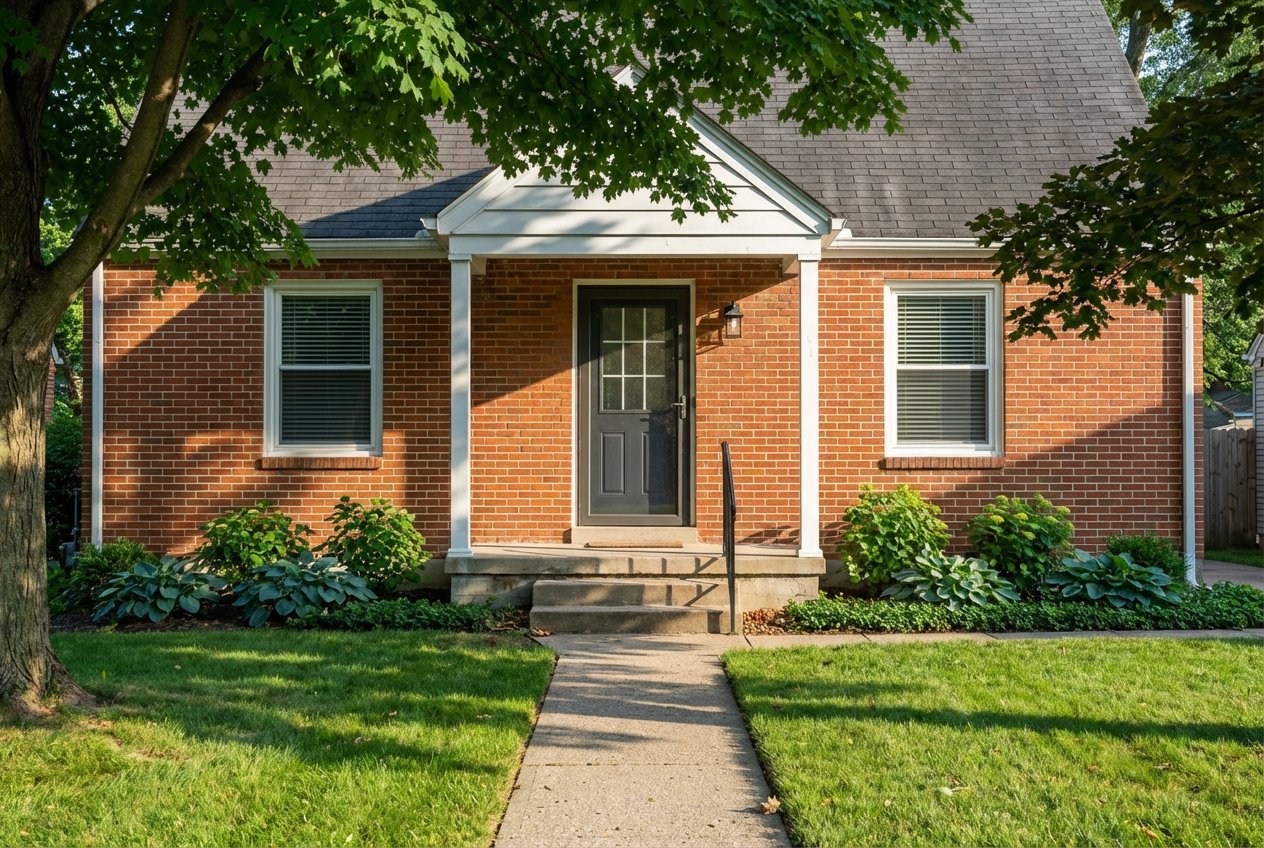
Whether you’re ready to buy, sell, or invest, Becky Buckland Real Estate Collaborative is here to make the process smooth and successful. Put our local expertise and dedication to work for you.