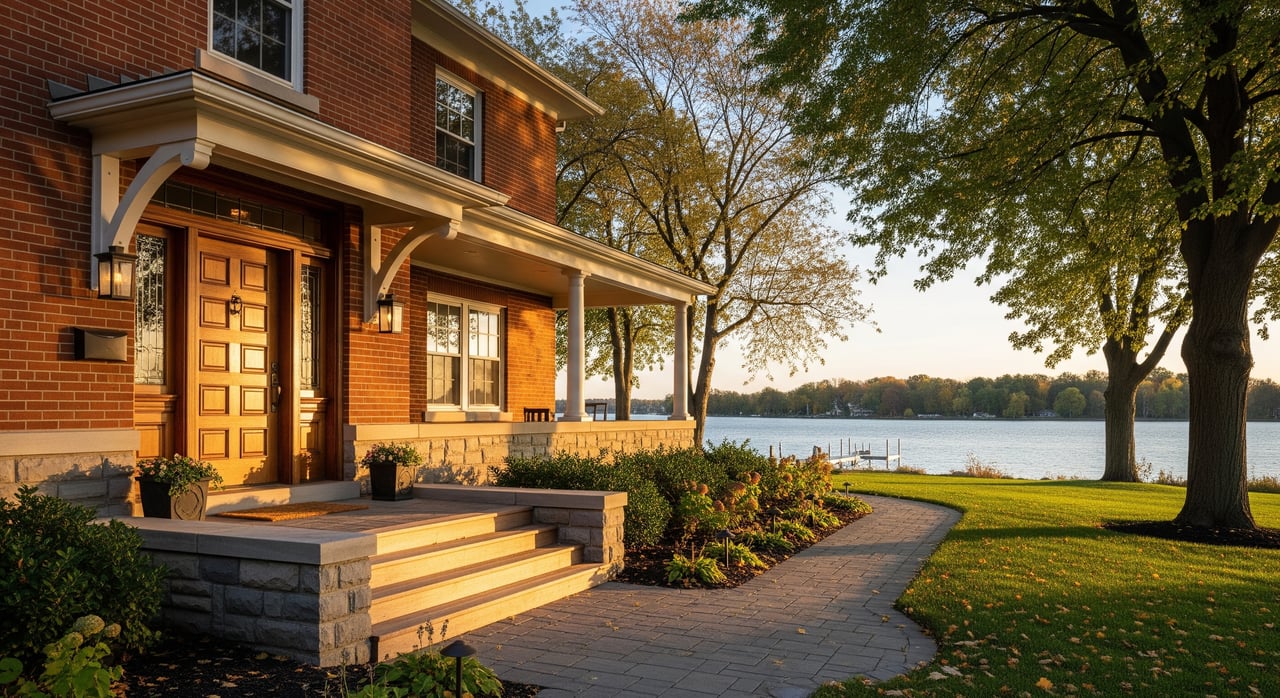
You might fall for a front-porch charmer with original woodwork or a sunny, open-plan home that feels turnkey. In Allouez, both options show up, often within a few blocks of each other. The question is not which style is “better,” but which one fits your lifestyle, budget, and timeline. In this guide, you’ll learn how Allouez housing breaks down by era, what to look for in inspections, and how to match each choice to your goals. Let’s dive in.
Allouez housing at a glance
Allouez is a small, mostly residential village with about 14,000 residents and roughly 6,100 housing units. Single-family homes make up the large majority of the housing stock. You can confirm the community snapshot in the U.S. Census QuickFacts for Allouez. The village sits between the Fox River and East River, so a few riverfront properties exist but are limited and can be competitive when they hit the market. Census QuickFacts shows population and housing counts.
The median year built across the village lands in the mid-1960s. That means you will see a lot of mid-century ranches and splits, with smaller pockets of older farmhouses and early Cape-style homes toward the Green Bay edge, and some newer infill and townhome communities mainly to the south. Median pricing has recently hovered in the mid-200s to low-300s depending on timing and methodology, and inventory is often lean. Work with a local agent to verify current pricing and activity before you shop.
What you get by era
Historic and pre-1940 homes
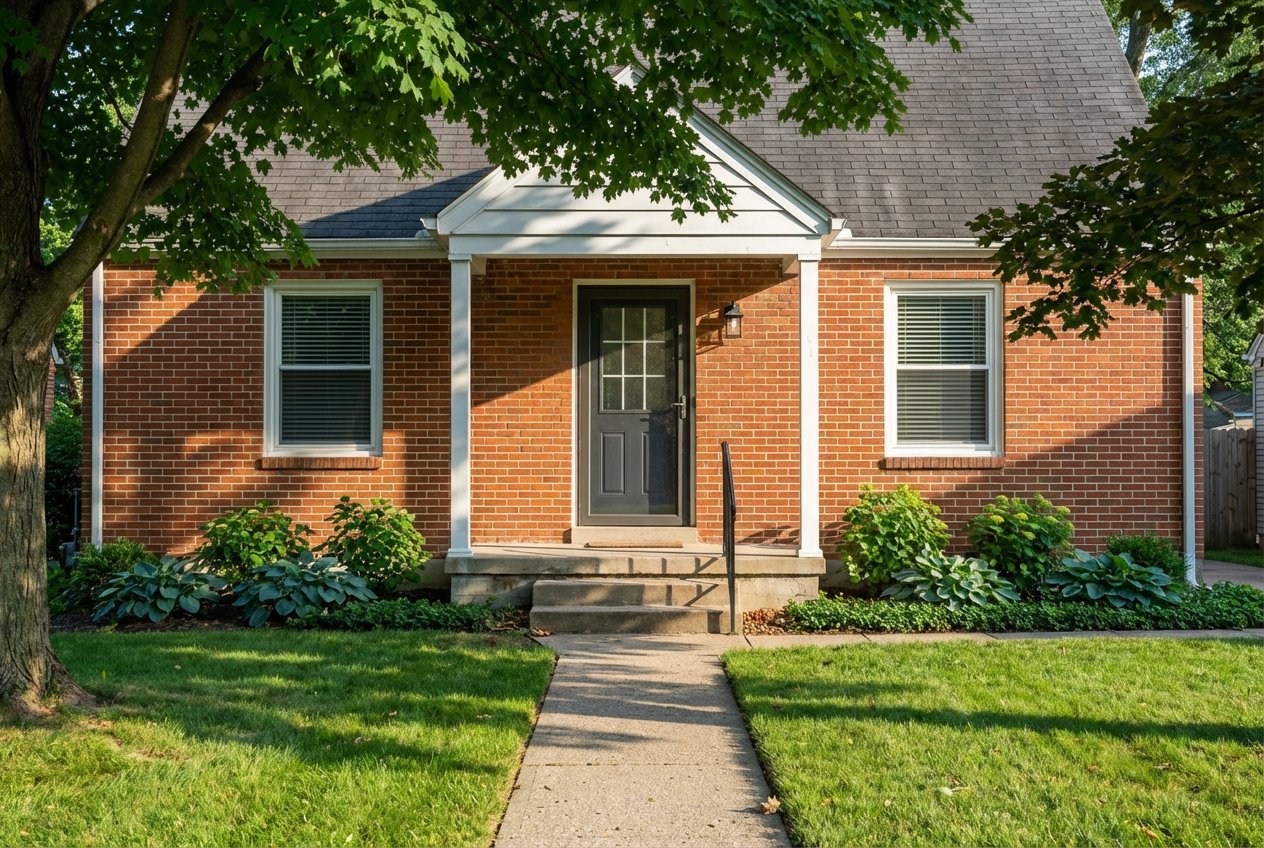
Older Allouez homes are mostly found closer to Green Bay. Typical features include front porches, taller ceilings, defined rooms like parlors and dining rooms, plaster walls, and original trim. Closets and built-in storage tend to be smaller, and kitchens can be compact by today’s standards.
What buyers like:
- Character, craftsmanship, and curb appeal
- Classic floor plans that create cozy, separate spaces
- Potential for larger, mature lots in some blocks
What to plan for:
- Targeted preservation and retrofit work if systems are older
- Specialist inspections for electrical, plumbing, and legacy materials
- Thoughtful planning to add storage or modernize kitchens and baths
Mid-century homes from the 1940s–1970s
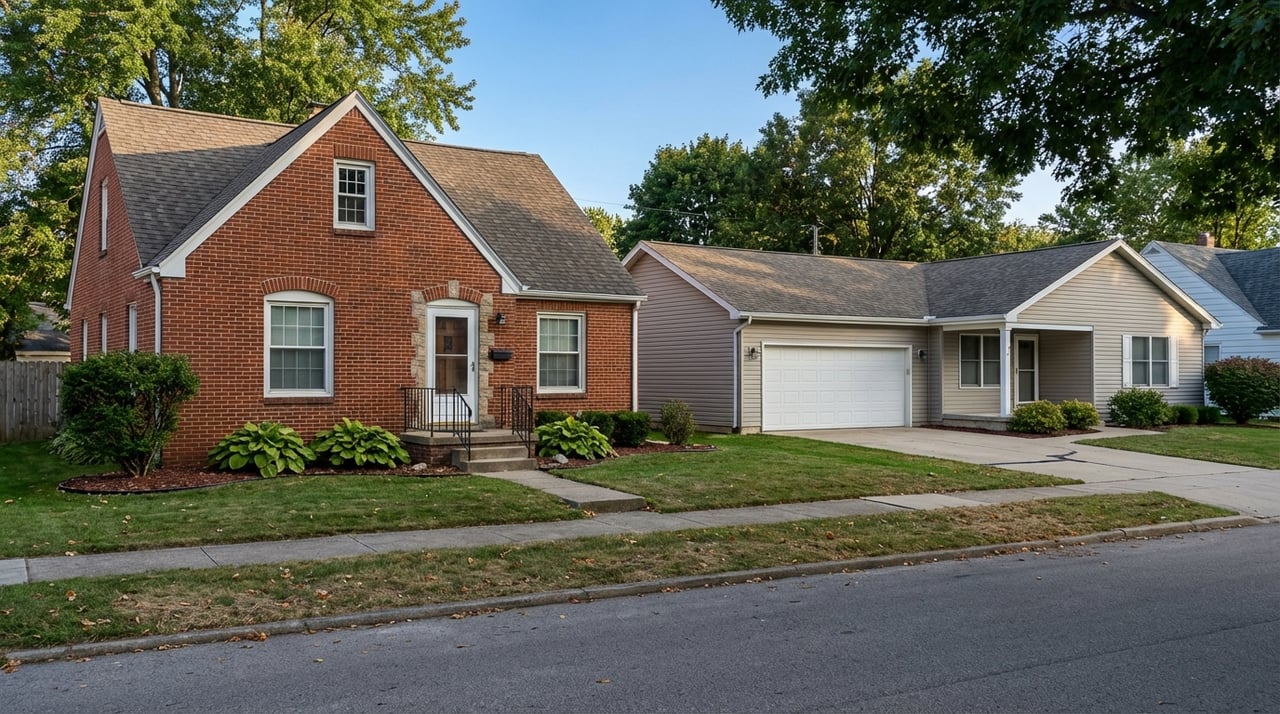
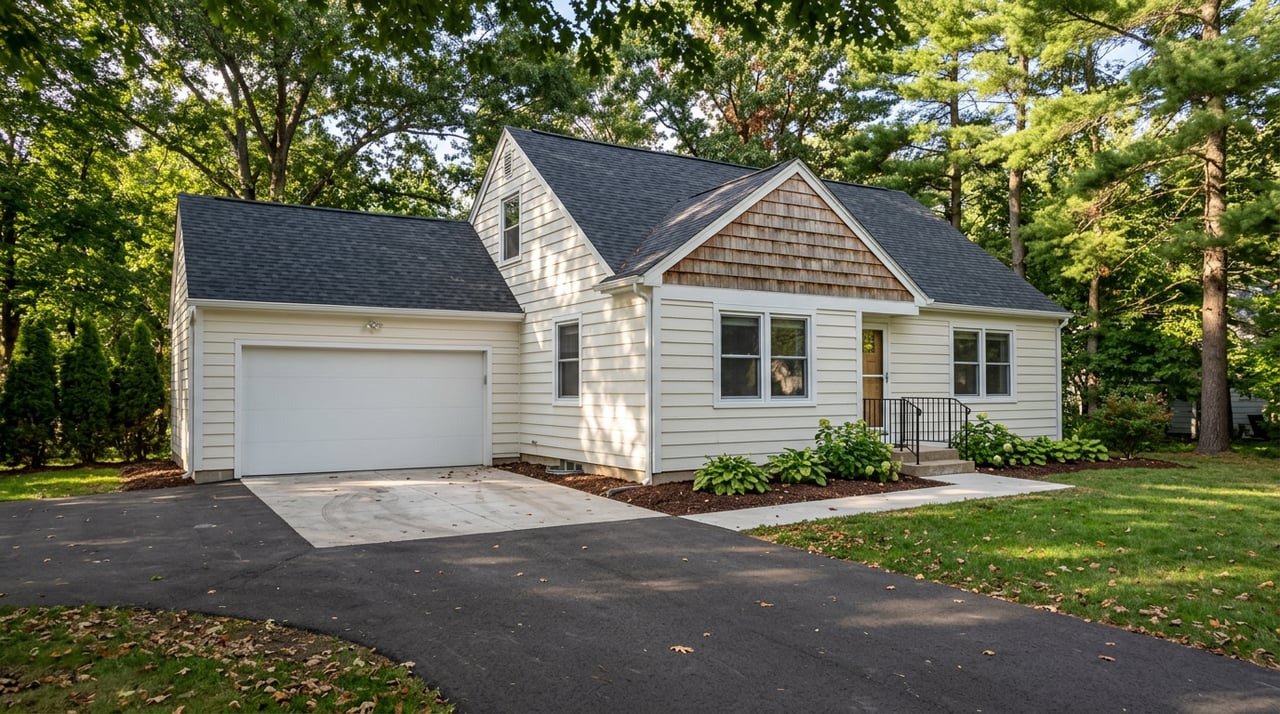
This is the most common Allouez home. Expect ranches, split-levels, and Cape-style layouts, often with finished basements. Kitchens may be moderate in size, and many homes have had mechanicals upgraded over time.
What buyers like:
- A balance of character and value
- Practical layouts, including one-level living in many ranches
- Garages and simple, easy-to-maintain systems
What to plan for:
- Phased energy improvements like insulation and window upgrades
- Verifying the age and condition of roof, furnace, and water heater
- Potential kitchen or bath refreshes to modernize finishes
Newer construction from the 1990s to today
Newer infill and subdivisions appear more often on the southern side of Allouez. You will typically see open floor plans, larger kitchens and primary suites, attached garages, and modern systems built to more recent codes.
What buyers like:
- Lower near-term maintenance and repair needs
- Contemporary layouts for everyday living and entertaining
- Better energy performance from the start
What to plan for:
- Standard due diligence on roof, HVAC service history, and warranties
- Reviewing association documents if considering townhomes or condos
Inspections and safety: what to check
A strong inspection strategy protects your budget and peace of mind. Use these checkpoints regardless of age, then add era-specific steps as needed.
For every home
- Hire a full home inspection from a licensed, experienced inspector. Common findings include roof wear, foundation cracks, HVAC age, and signs of water intrusion. See what pros look for in a typical inspection from this home inspection guide.
- Follow up with specialists when recommended. Structural engineers for settlement, electricians for wiring concerns, and plumbers for pipe materials are common examples.
For pre-1978 and older homes
- Lead-based paint: Federal law requires sellers of pre-1978 homes to disclose known lead hazards. Buyers receive a 10-day window to conduct lead inspections or risk assessments under Title X. Review the EPA’s lead disclosure and rule information and budget for safe work practices if you plan to renovate.
- Asbestos and legacy materials: Floor tiles, insulation, and some exterior or roofing products in older homes can contain asbestos. Testing and licensed abatement may be needed during renovations. Learn more in the general home inspection overview.
- Electrical and plumbing: Very old homes may have knob-and-tube wiring or undersized electrical service, and plumbing may include galvanized steel or early copper that can be brittle. Plan for partial or full updates if systems are original.
Radon and indoor air quality in Wisconsin
The Wisconsin Department of Health Services advises testing every home, regardless of age, because about 1 in 10 Wisconsin homes has elevated radon. Short-term tests are inexpensive, and mitigation is effective if needed. Consider a radon contingency during your inspection period. See the state’s radon guidance for homeowners.
If a property uses a private well, test the water. Annual bacteria testing is recommended, with periodic checks for radionuclides, nitrates, and arsenic. In some areas, radon can enter through well water, so testing makes sense if the home uses a private well. Learn more about test interpretation from the Wisconsin State Laboratory of Hygiene.
Flood risk around the rivers
Some Allouez parcels sit near the Fox River or East River. Flood zones and insurance requirements vary by property elevation and map updates. Review FEMA flood maps for the specific parcel, ask for an elevation certificate when appropriate, and obtain quotes from insurers before you finalize your budget.
Cost and upkeep: setting the right budget
Every home needs routine care, and older properties can require more. As a planning guide, many advisors suggest setting aside 1 to 4 percent of the home’s value per year for maintenance and small capital repairs. Historic or older homes often trend toward the upper end of that range. Learn how this rule of thumb works in practice from this overview of annual home maintenance budgeting.
Smart budgeting tips:
- Separate routine maintenance from big-ticket reserves for roof, HVAC, windows, and foundation repairs.
- Get quotes for any likely projects during your inspection window so you can compare homes on true total cost.
- Ask for age and service records on major systems. The remaining life of a roof or furnace can swing your 3 to 5-year plan.
Lifestyle and location: how options cluster
- Northern blocks near the Green Bay edge tend to include older farmhouses, early Cape Cods, and classic streets with mature trees and front porches.
- Mid-century ranches and split-levels are common throughout the village and are the most typical Allouez purchase.
- Newer townhomes, infill, and subdivisions appear more often to the south and deliver open plans, larger suites, and attached garages.
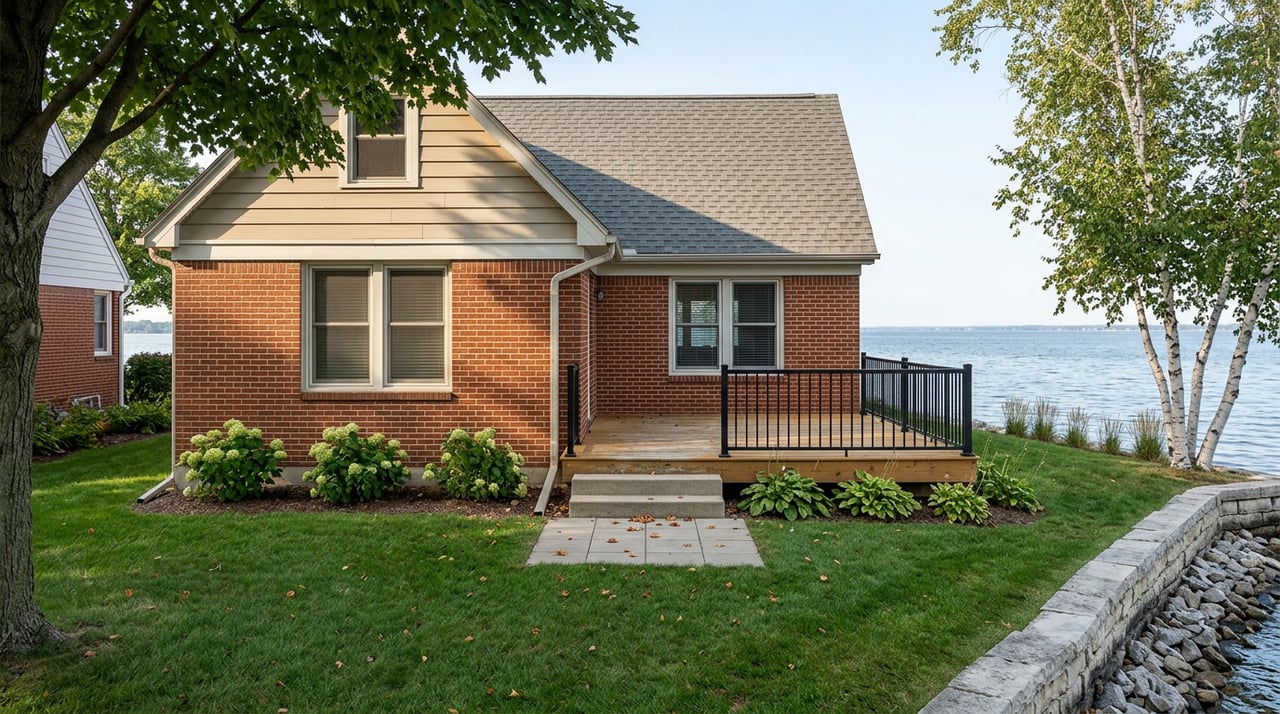
- Riverfront properties along the Fox and East Rivers are limited and can carry premiums due to scarcity. Factor flood risk and insurance into your decision.
- Parks, river trails, and Heritage Hill State Historical Park add to everyday livability for many buyers who value green space and local history.
How to choose: quick buyer checklist
Use this checklist to compare homes side by side and keep your priorities clear.
- Define must-haves vs deal-breakers. Consider single-floor living, garage needs, mudroom space, lot size, river views, number of bathrooms, and proximity to the routes you use most.
- If you love character, lean older. Add specialist inspections for lead, asbestos, electrical, and plumbing, and get ballpark quotes for any big projects before you write an offer.
- If you want low near-term maintenance, focus on newer construction or recently updated mid-century homes. Verify remaining life on roof, HVAC, and water heater.
- Always test for radon. Wisconsin has elevated rates in about 1 in 10 homes. Include a radon contingency or complete a short-term test during your inspection period.
- Check flood zones for river-adjacent or low-lying lots. Ask about elevation certificates and get insurance quotes to understand total monthly costs.
- Budget for annual maintenance. Use the 1 to 4 percent rule and set aside reserves for any immediate upgrades like insulation, windows, or electrical work.
Bottom line and next steps
If you gravitate toward original millwork and a welcoming front porch, an older Allouez home may be a rewarding choice, especially if you are ready to invest in targeted updates over time. If you prefer open living spaces, larger suites, and fewer near-term projects, a newer home or updated mid-century ranch could be a better fit. Both paths can work beautifully in Allouez. The key is matching the property to your lifestyle, inspection results, and budget so you feel confident on closing day.
When you are ready, let’s talk about your goals and shortlist neighborhoods and homes that fit your style. For tailored guidance from a team with 30-plus years in Northeast Wisconsin, reach out to the Becky Buckland Collaborative.
FAQs
What are the main differences between historic and newer homes in Allouez?
- Older homes offer character, defined rooms, and original details, while newer homes deliver open plans, larger suites, modern systems, and lower near-term maintenance.
Which inspections matter most for a pre-1940 Allouez home?
- In addition to a full home inspection, plan for lead-based paint checks, possible asbestos testing, and specialist reviews of electrical and plumbing systems.
How common is radon in Wisconsin, and what should I do as a buyer?
- About 1 in 10 Wisconsin homes has elevated radon; include a radon test during your inspection period and plan for mitigation if needed.
Do riverfront homes in Allouez typically require flood insurance?
- It depends on the specific parcel’s flood zone and elevation; verify with FEMA maps, ask for an elevation certificate, and obtain insurer quotes before you commit.
How much should I budget each year for home maintenance by age?
- A general rule is 1 to 4 percent of the home’s value per year, with older or historic homes tending toward the higher end of that range.