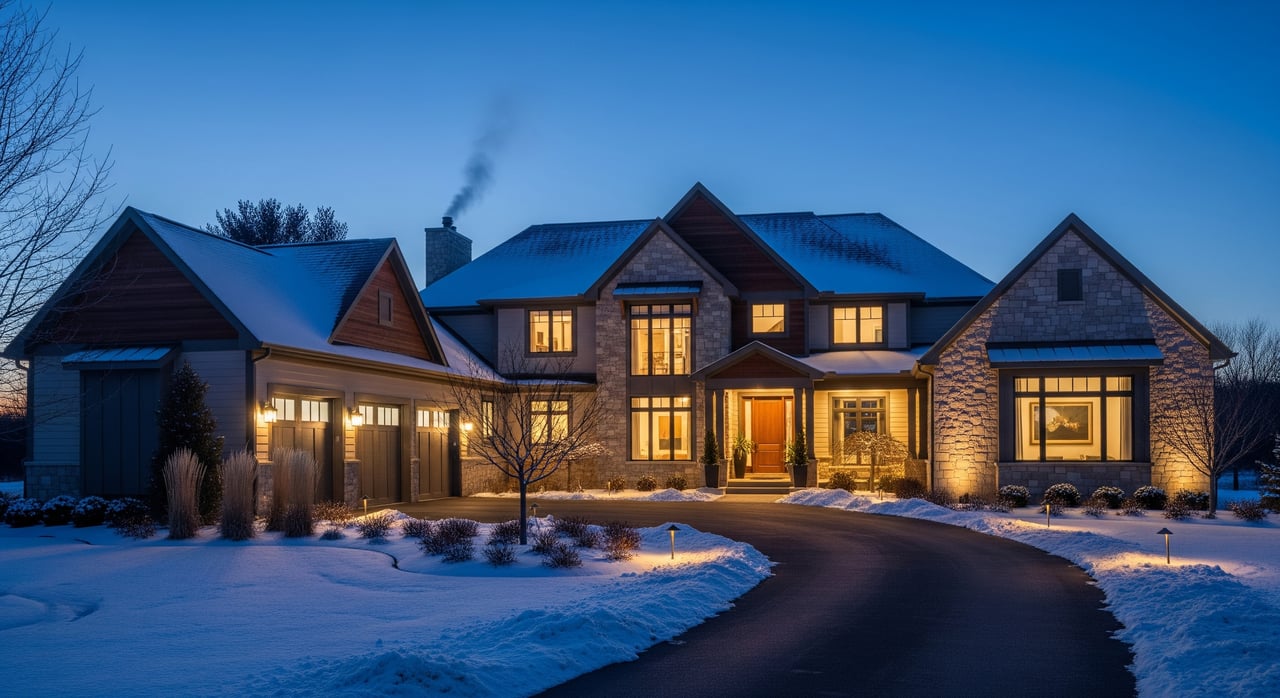
Winter Home-Buying Season in Ashwaubenon
December 4, 2025
December 4, 2025
Thinking about buying a home in Ashwaubenon this winter? You are not alone. While the season is quieter, it often brings motivated sellers, less competition, and room to negotiate. In this guide, you will learn how winter affects pricing, inspections, financing, and logistics in Ashwaubenon, Brown County, and how to move with confidence. Let’s dive in.
Winter is typically the slowest season for real estate activity. That often means fewer buyers competing with you and more flexibility on price, concessions, or timing. In Ashwaubenon, this can be a real advantage when you want a calmer search and a cleaner negotiation.
The tradeoff is lower inventory and fewer recent comparable sales for appraisals. With fewer comps, lenders and appraisers may lean on older data or make seasonal adjustments. With the right strategy and local guidance, you can still secure a fair value and a smooth close.
When buyer traffic dips, sellers who stay on the market are often serious. You may be able to ask for closing cost credits, price adjustments, or faster timelines. Clear contingencies for winter-related re-inspections can protect you while keeping your offer attractive.
Shorter daylight, snow cover, and cold temperatures limit what you can see during showings and inspections. Some repairs are harder to complete before a deep freeze. Build in time and use precise contract language to handle what winter hides.
Ashwaubenon sits just west and southwest of Green Bay, where winters bring cold temps, steady snow, and freeze–thaw cycles. To understand typical snowfall and temperatures, review regional climate normals from NOAA’s National Centers for Environmental Information.
Flood risk assessment is essential near the Fox River and the waters of Green Bay. Verify a property’s status using the FEMA Flood Map Service Center and check Brown County resources for floodplain overlays and stormwater information.
Municipal services matter more in winter. Confirm snow removal expectations, parking rules during snow events, and sidewalk clearance requirements through the Village of Ashwaubenon. These details affect day-to-day convenience once you move in.
Location remains key when roads are slick and daylight is limited. Proximity to major routes like I-41 and local amenities such as shopping and services can make winter living easier. Housing options in Ashwaubenon include single-family homes, duplexes, condos, and some multiunit properties, so ask your agent to update you on the current mix and what is moving now.
Winter conditions can conceal parts of a home’s condition. Focus your inspection plan on systems that matter most when it is cold.
Appraisals can be more complex in winter due to fewer recent sales. Work with a local lender and appraiser who understand Brown County seasonality so any adjustments are handled correctly.
Mortgage rates move with market conditions year-round. Track weekly trends via Freddie Mac’s Primary Mortgage Market Survey and plan your rate lock around holidays, when underwriting and closings may slow.
Insurance carriers pay close attention to roof age, snow-load history, and prior claims. If a property sits in a mapped flood zone, lenders typically require flood insurance. Confirm the zone using the FEMA Flood Map Service Center and discuss endorsements like sewer backup coverage with your insurance professional.
Plan for holiday schedules and bank closures that can delay document processing and fund transfers. Build buffer days into your closing timeline. Severe weather can push back inspections, appraisals, and moving trucks, so bake flexibility into your purchase agreement.
If repairs are required and cannot be completed until spring, consider escrowed funds, credits at closing, or clear re-inspection rights. The goal is to protect you while keeping the path to closing steady.
With more than 30 years of continuous local experience, our team guides you through Ashwaubenon’s winter market with clarity and care. We help you evaluate price and condition in a season with fewer comps, line up the right inspectors, and craft offers that balance protection with competitiveness.
You get boutique, high-touch advisory backed by strong negotiation and a trusted network of local lenders, inspectors, and contractors. If you are considering a lifestyle move, a mid-market purchase, or an investment in Brown County, we are here to help you move forward with confidence.
Ready to find your winter opportunity in Ashwaubenon? Request a personalized consultation with the Becky Buckland Collaborative.
Stay up to date on the latest real estate trends.




Whether you’re ready to buy, sell, or invest, Becky Buckland Real Estate Collaborative is here to make the process smooth and successful. Put our local expertise and dedication to work for you.