Converting A Pole Barn For Horses In Oconto County
October 23, 2025
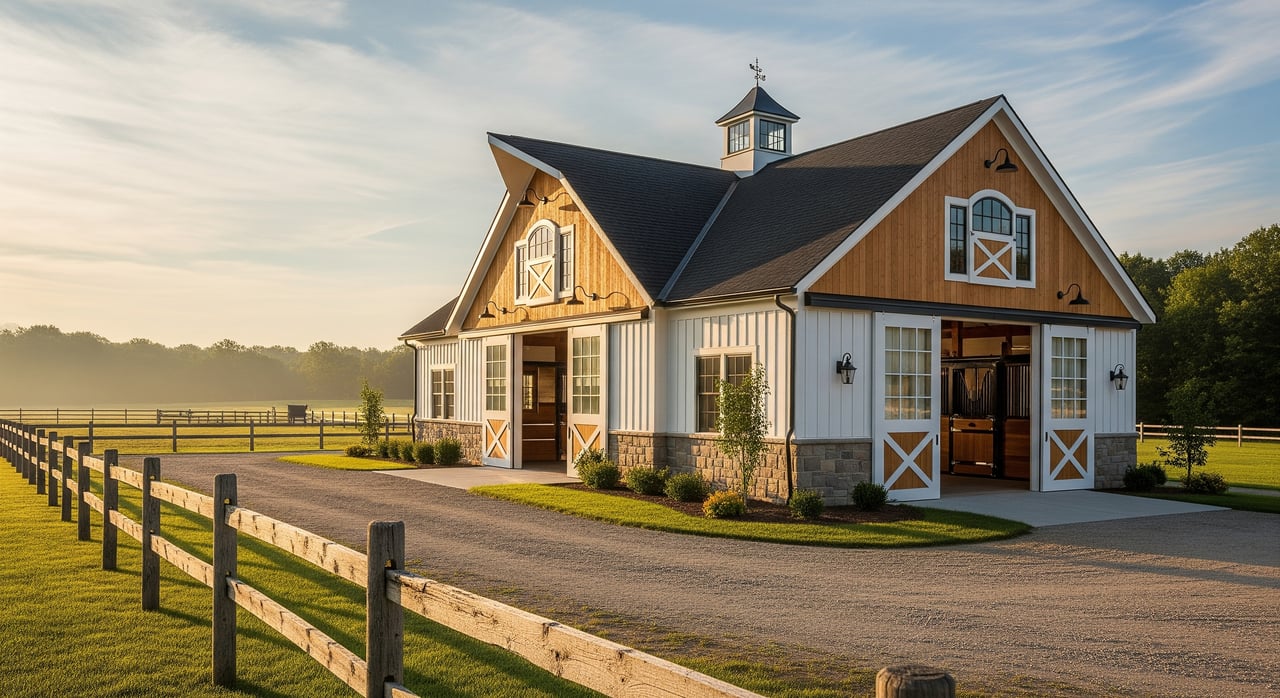
Dreaming about keeping your horses at home and eyeing that pole barn on your Oconto property? Converting it can be a smart, value‑adding move if you handle permits, design, and environmental details the right way. In this guide, you’ll learn what to check first, how to plan safe stalls and ventilation for Wisconsin winters, and how to manage manure and runoff without headaches. Let’s dive in.
Before you sketch stall layouts, confirm what is allowed on your parcel. Start with the county. The Oconto County Zoning office can tell you if your property is in the City of Oconto or the Town of Oconto and which permits apply. They also administer floodplain, shoreland, and animal‑waste rules that affect barn use and manure storage.
If you plan to add plumbing for a tack sink or restroom, call the county sanitary program early. Adding plumbing typically triggers a POWTS review and a sanitary permit. Details are on the Oconto County Sanitary (POWTS) page.
If the property sits in the City of Oconto, review permit thresholds and inspections with the City of Oconto inspections office. If you intend to board horses for hire, ask zoning whether a commercial stable is permitted by right or requires a conditional use. Wisconsin’s livestock siting standards guide many local rules, so check the state overview at DATCP Livestock Siting.
Good drainage and the right barn placement save money and reduce mud. Use the NRCS tools to review soils, infiltration, and any hydric areas on your parcel. Start with the NRCS Wisconsin soil data resources.
If you are near streams, wetlands, or the bay, confirm floodplain status before you invest in interior work. You can view mapped flood zones in the FEMA National Flood Hazard Layer. For manure and barnyard siting questions, contact the county’s Land & Water Conservation Department (LWCD). They provide planning help and setback guidance through the Agriculture Expansion and Technical Assistance page.
Design your layout for calm, efficient daily care. Focus on safety, ventilation, and cleanability.
Manure and stormwater are the biggest environmental issues for small horse barns. Counties follow state siting and manure standards, and Oconto County’s LWCD can help you plan compliant storage and barnyards.
Use this simple sequence to stay on track and avoid surprises.
A clean, well‑ventilated barn with safe stalls, organized tack and feed areas, mud‑free turnout, and compliant manure storage adds real lifestyle value for many Northeast Wisconsin buyers. It signals thoughtful stewardship and can widen your pool of interested buyers when you sell. The keys are clear permits, smart design for local weather, and documented site planning with the county.
Ready to weigh your options or find land and equestrian properties across Oconto County and Northeast Wisconsin? Reach out to Becky Buckland for local, equestrian‑savvy guidance tailored to your goals.
Stay up to date on the latest real estate trends.

Local News & Community Updates
A significant municipal change is reshaping the landscape of southern Brown County. Here's what homeowners, property owners, and prospective buyers should know.
Green Bay Community News
From village-financed infrastructure in Clover Fields to long-delayed roads in Meadow Brook Estates, here's how development costs shape where and when new homes can be… Read more
Green Bay Community News
As construction begins at the Webster Center Corner, a closer look at the project, the surrounding area, and what new investment could mean for the future of Webster A… Read more

Green Bay Community News
Your guide to Halloween trick-or-treat hours for Green Bay, De Pere, Allouez, Howard, Manitowoc, and surrounding communities.
Whether you’re ready to buy, sell, or invest, Becky Buckland Real Estate Collaborative is here to make the process smooth and successful. Put our local expertise and dedication to work for you.